
Republic Day, Rewritten by the Wild “A long-weekend story from 26th January“
An Unplanned Beginning: From Cancelled Match to Ranthambore
What began as a simple weekend plan for a game of cricket took an unexpected—and honestly, far better—turn. A call from friends, a cancelled match, and one spontaneous idea later, we were packing our bags for a short trip to Ranthambore National Park. Sometimes, the best journeys are the ones you never plan.
I threw a few essentials into my bag and headed to Gurgaon with my friends. There, we picked up another friend—our guide for the trip and a true local boy from Ranthambore—ready to show us the place beyond the usual tourist trail.
This wasn’t just a getaway. It was a quick three-day escape fueled by friendship, food, forests, and a whole lot of local flavour.
Day 1: Miles, Music, and the Road to Ranthambore
We began our journey around 3 PM on Saturday, leaving Gurgaon via the Delhi–Mumbai Expressway. The drive itself felt like a reward—long, buttery-smooth stretches of road bordered by yellow mustard fields, the Aravalli hills standing quietly in the distance, and the sun slowly melting behind them. Pure long-drive bliss.
After covering nearly 350 km—with tea and snack halts that every road trip secretly depends on—we reached the outskirts of Ranthambore National Park around 7:30 PM.
Our stay, however, was the real highlight. One of our friends is a local from Chhan village, about 10–12 km from Ranthambore Circle, and he doubled up as our guide for the trip. The moment we arrived at his home, we were welcomed with warm smiles and an even warmer, home-cooked Rajasthani dinner.
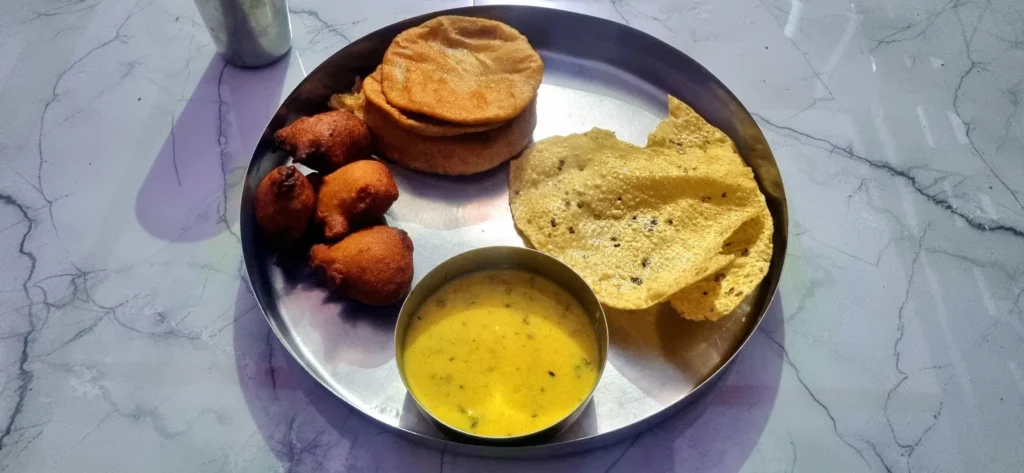
Kadhi, puri, puye, papad, pakode—simple dishes, rich flavours, and endless love. That meal alone assured us that we were about to experience Ranthambore the local way.
By the time Day 1 came to an end, the road had taken all our energy—but also set the mood for what was coming next. Sitting together, half tired and fully excited, we started talking about the next day. The list kept growing: the fort, a jungle safari, temples, a museum, a cultural fest, and even a sunset by the Chambal.
It sounded a little crazy, but in that moment, it felt perfect. With big plans in our heads and smiles on our faces, we finally called it a night, ready to see how much of it we could actually pull off the next day.
Day 2: A Village Morning and the Fort’s Old Stories
We woke up before the sun, to the soft mix of birds chirping and distant morning prayers. In Chhan, mornings don’t rush—they simply begin. By 6:30 AM, children were already out playing, elders had started their day, and there was a kind of calm that city life forgets to offer.
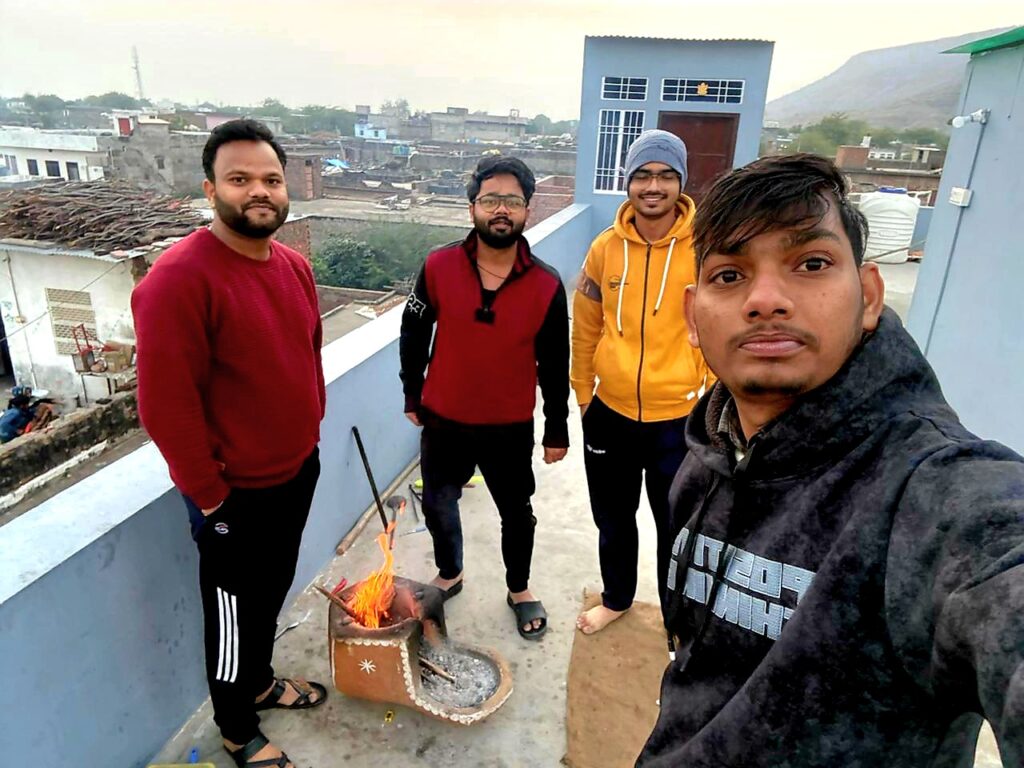
A cool breeze followed us as we walked toward the nearby fields. With the Ranthambore hills around us, mustard flowers glowing yellow, fresh green wheat swaying gently, and no sound of traffic anywhere, it felt like the world had slowed down just for a while.
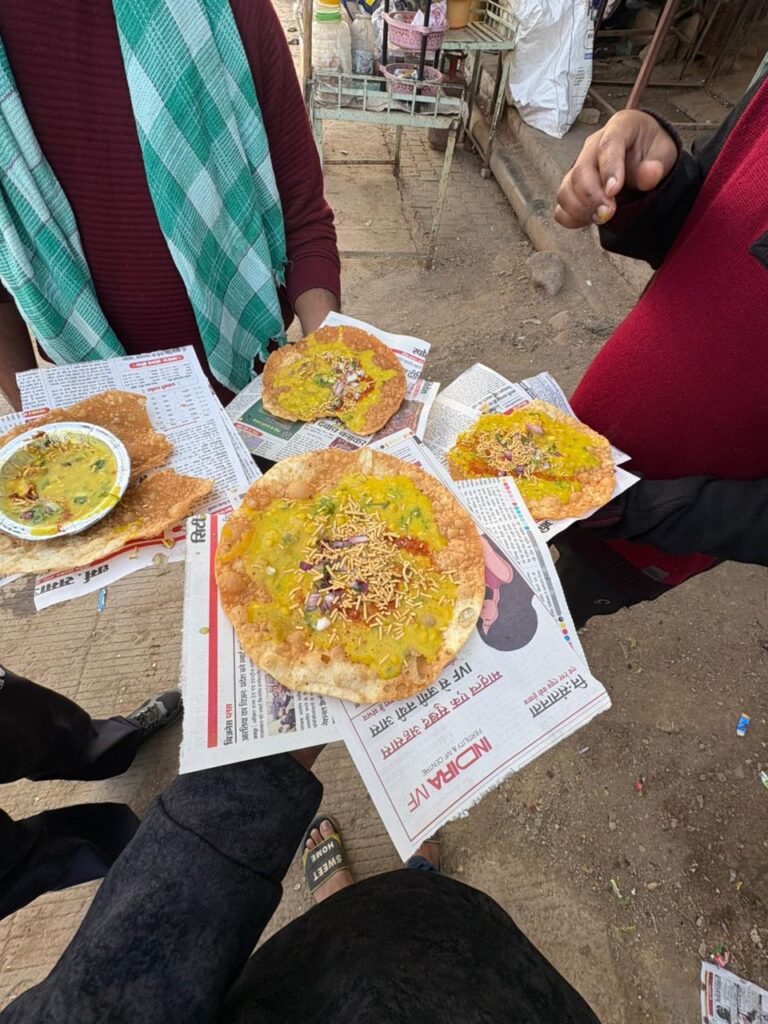
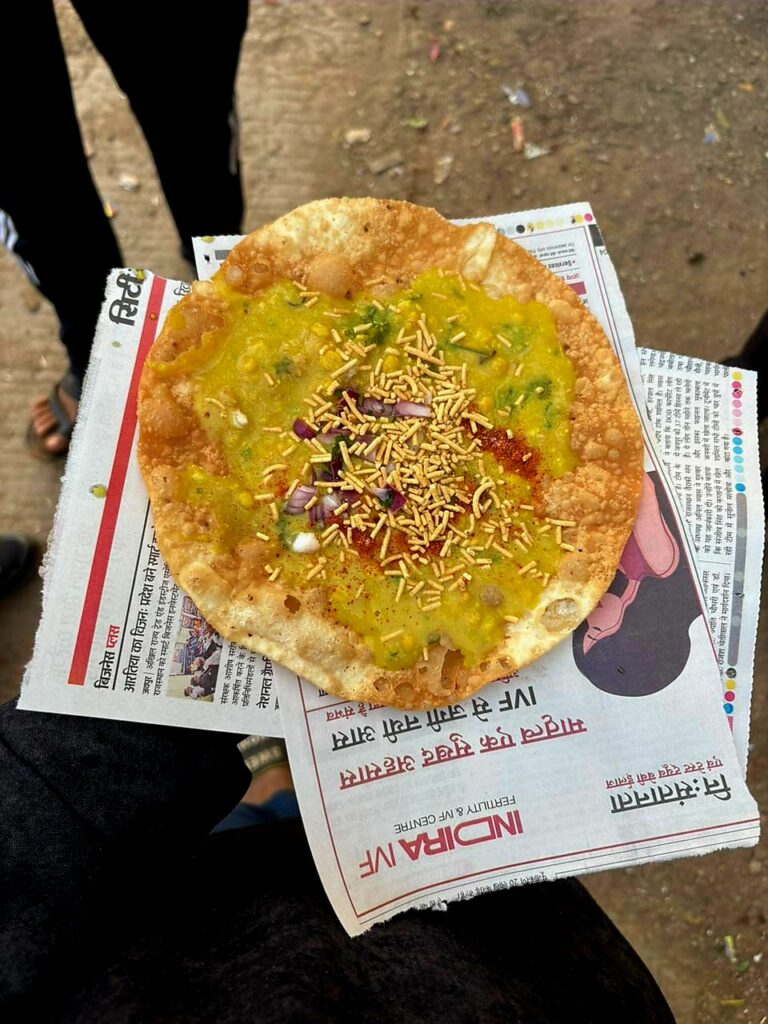
On the way back, we stopped at a small local stall. Plates of daal papdi and poha were being served hot. It was my first time trying daal papdi—and at just ₹10 a plate, it tasted even better than expected. Simple food, fresh morning air, and no hurry to be anywhere else.
Ranthambore Fort and the Trinetra Ganesh Temple
Our cultural event got delayed, so we decided to head straight to Ranthambore Fort, located inside the national park, perched high above the forest.
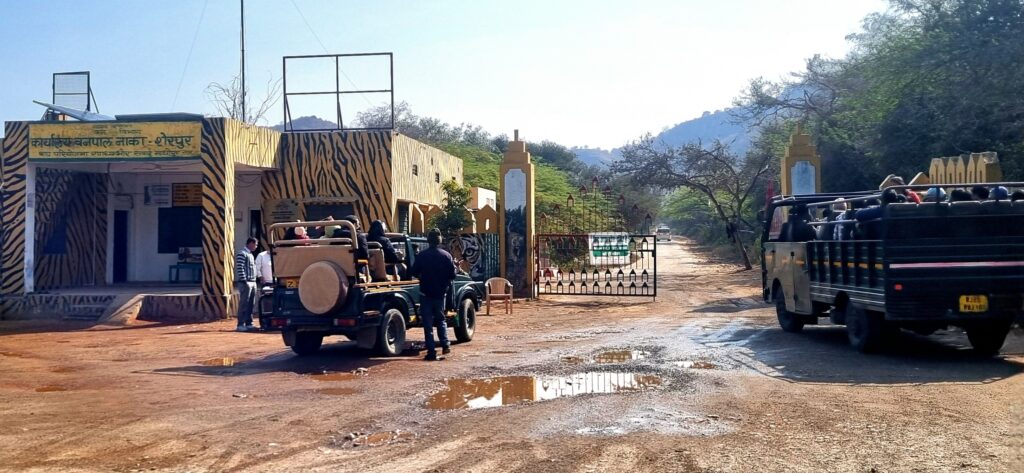
Private cars aren’t allowed beyond the parking area, so we took a shared taxi (₹200 per trip) to the fort gate—a necessary and sensible move given the wildlife presence. This restriction was introduced after multiple accidents in recent months, including a tragic incident in which a tiger took away a human baby. It is also a sensible step, as parking space near the fort’s entrance is very limited.
Ranthambore Fort is protected by a series of massive gates, locally known as Pols, each built with a specific purpose—defence, strategy, and symbolism. These gates are not just entrances; they are chapters of history carved in stone.
Naulakha Pol
This is one of the earliest and most important gates of the fort. The name Naulakha literally means “worth nine lakhs,” indicating the immense value and craftsmanship of the structure at the time it was built. It served as a strong first line of defence and reflected the wealth and power of the rulers of Ranthambore.
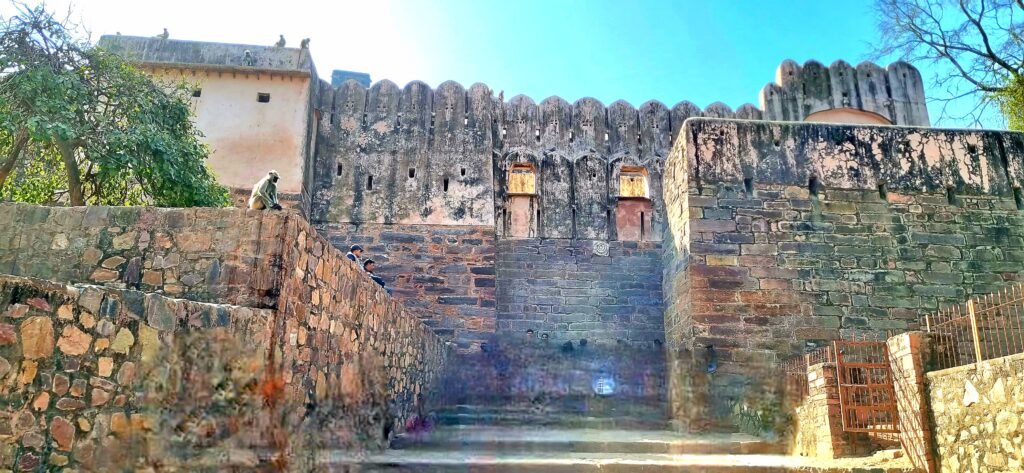
Hathi Pol (Elephant Gate)
As the name suggests, this gate was designed to allow royal elephants to pass through. Its extra-wide and tall structure was also a clever defensive strategy—enemy forces were often tricked into bringing elephants to break through, only to be trapped or attacked from above. Architecturally, it is one of the most impressive gates of the fort.
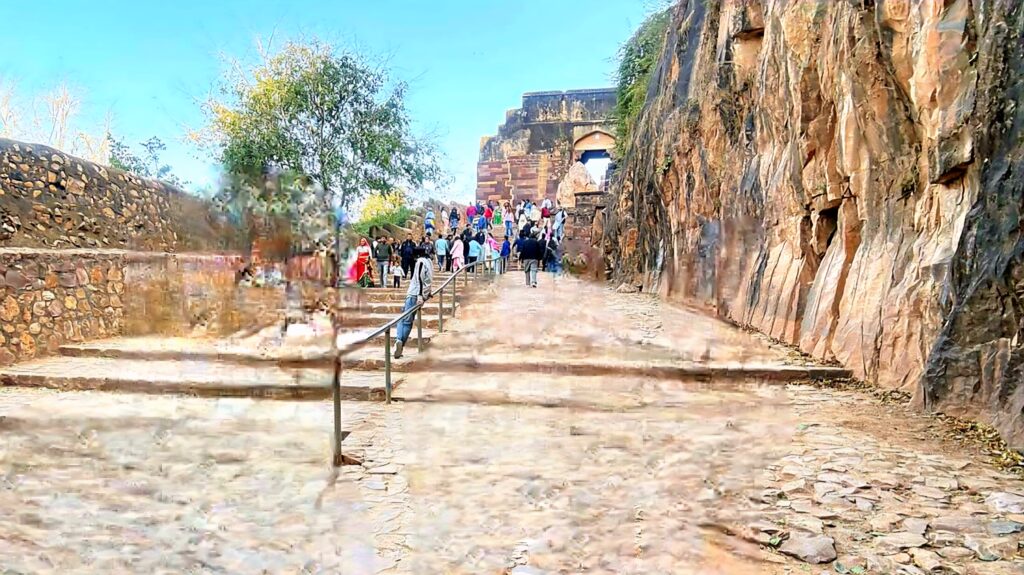
Ganesh Pol
This gate leads towards the sacred Trinetra Ganesh Temple and was primarily used by pilgrims and priests. Unlike other heavily fortified gates, Ganesh Pol holds strong religious significance, symbolising protection, blessings, and divine presence within the fort.
Andheri Pol
True to its name (Andheri meaning dark), this gate is narrow, tunnel-like, and deliberately dim. It was designed to confuse and trap attackers, making it extremely difficult for large forces to enter.
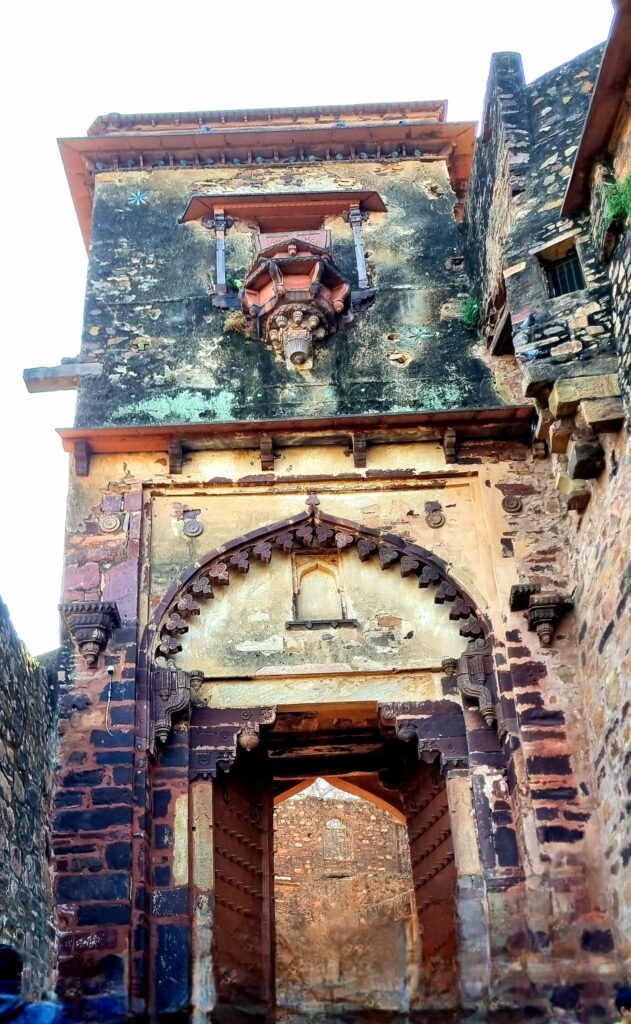
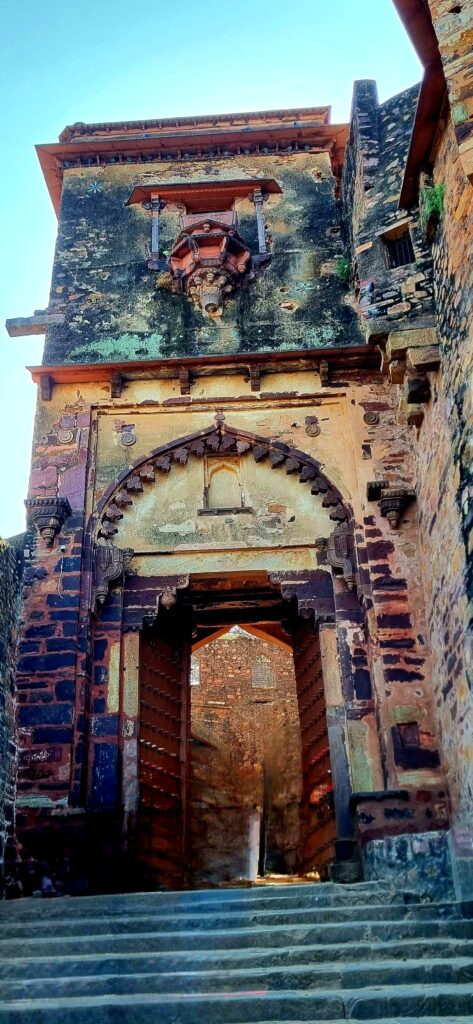
From a defensive point of view, this gate showcases the strategic brilliance of Rajput architecture.
Delhi Pol
The most iconic and historically significant gate of Ranthambore Fort, Delhi Pol, faces north towards Delhi. It marks the final entrance into the core area of the fort and has witnessed some of the most important events in its history. The gate stands as a silent reminder of the long siege by Alauddin Khalji and symbolises the resilience, honour, and sacrifice of the Rajput rulers.
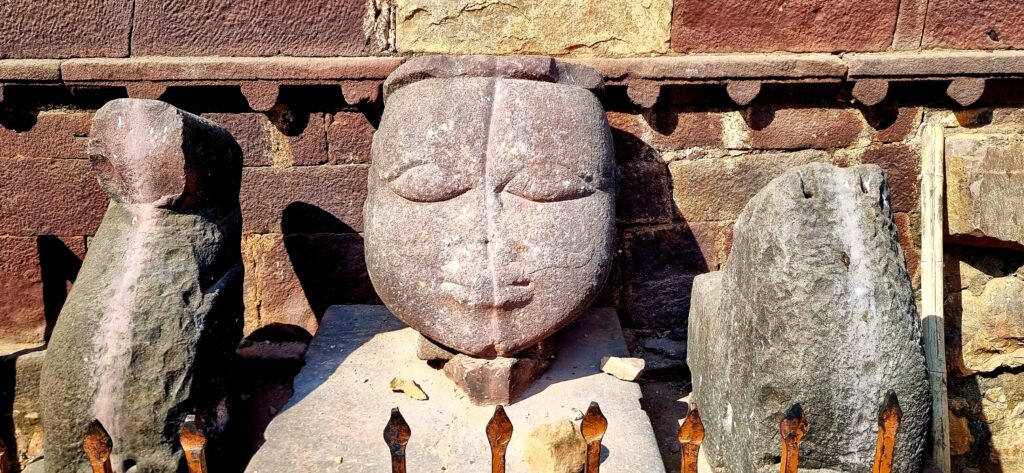
This is the site known as the Sheesh Daan Sthal, where Raja Hammir Dev Chauhan is believed to have sacrificed his life by beheading himself, choosing honour over surrender during the battle against the invading forces, and honour of a fort that was not conquered, but relinquished.

There is a popular legend that Raja Hammir Dev once climbed the fort directly through its steep walls on horseback, and it is believed that the footprints of his horse can still be seen etched into the fort walls.
Ranthambore’s Fall: Between History and Legend
After Alauddin Khalji’s long siege, Delhi Pol came to symbolise a powerful truth—that even the strongest forts may fall, but never without fierce resistance. Locals believe the fort was relinquished through strategy, not defeated in battle.
Locals share a sad legend from the time of the battle involving Maharaj Hammir Dev and the invading forces. It is believed that Rani Padmani was falsely informed that the Maharaj had been defeated. Fearing capture and dishonour, she chose Jal Samadhi, sacrificing her life in a nearby lake, which later came to be known as Padma Taal, named in her memory.
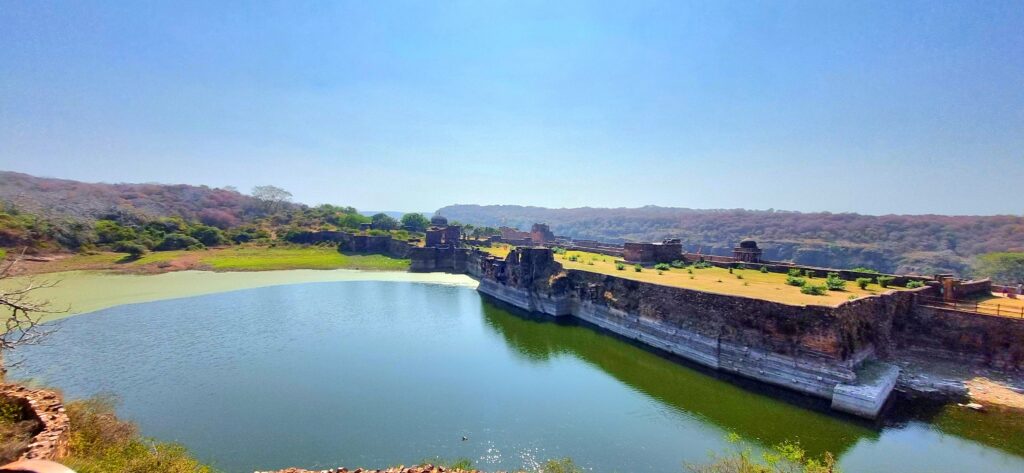
When Maharaj Hammir Dev returned victorious and learned of this tragic event, legend says he performed Sheesh Daan—the ultimate act of sacrifice—offering his own life as a symbol of honour and resistance. The place where this is believed to have occurred is still remembered as the Sheesh Daan Sthal.
However, the historical account tells a slightly different story of the fall of Ranthambore—one that reflects both self-sacrifice and jauhar.
Locals firmly believe that “Ranthambore was not conquered; it was willingly given up.” The story below explains why they say so.
Ranthambore Fort once controlled the important trade and military routes between Delhi and central India. Its hilltop location and multiple layers of gates made it a major challenge for the Delhi Sultanate. In 1301, Alauddin Khalji launched a full-scale siege on the fort.
Instead of attacking directly, he surrounded the fort for months, cutting off food, water, and supplies. Relief forces were blocked, and the outer defences were slowly attacked gate by gate. The fort was led by Hammir Dev Chauhan, and despite months of resistance, the defenders began to suffer from hunger, exhaustion, and falling morale. Even then, the fort did not fall suddenly or easily.
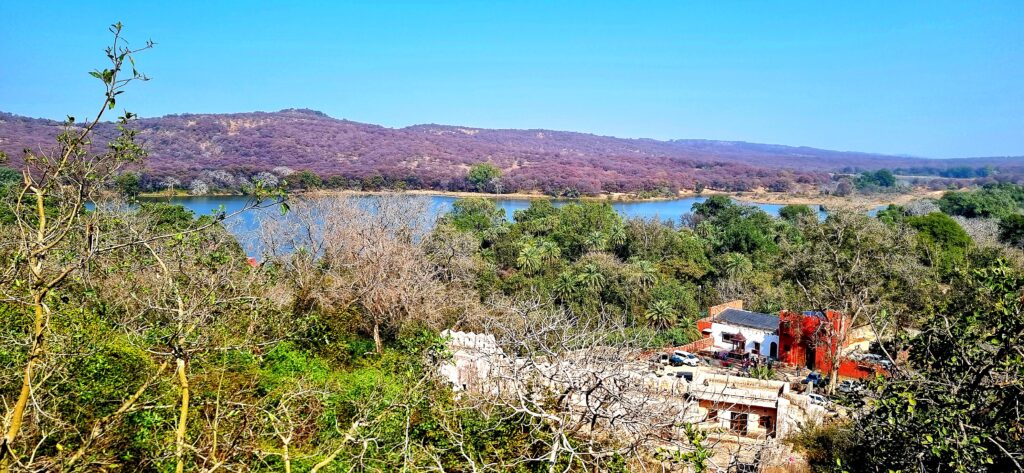
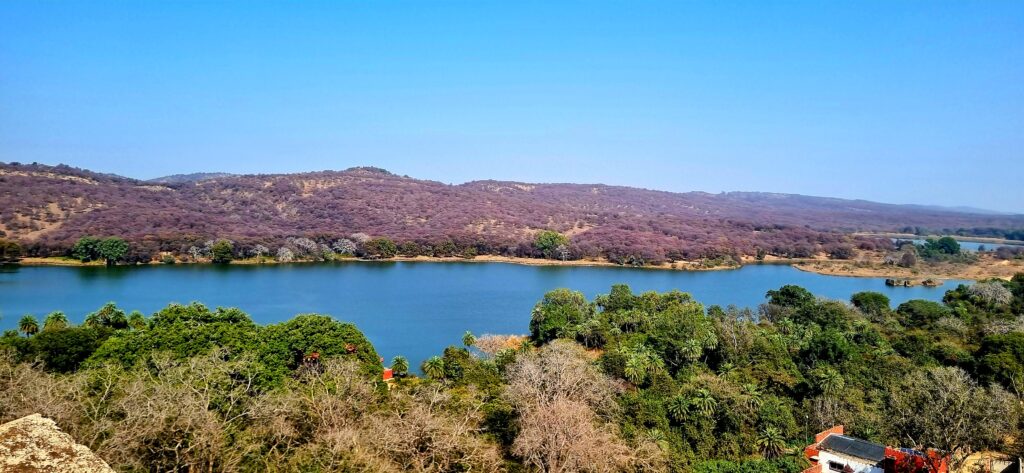
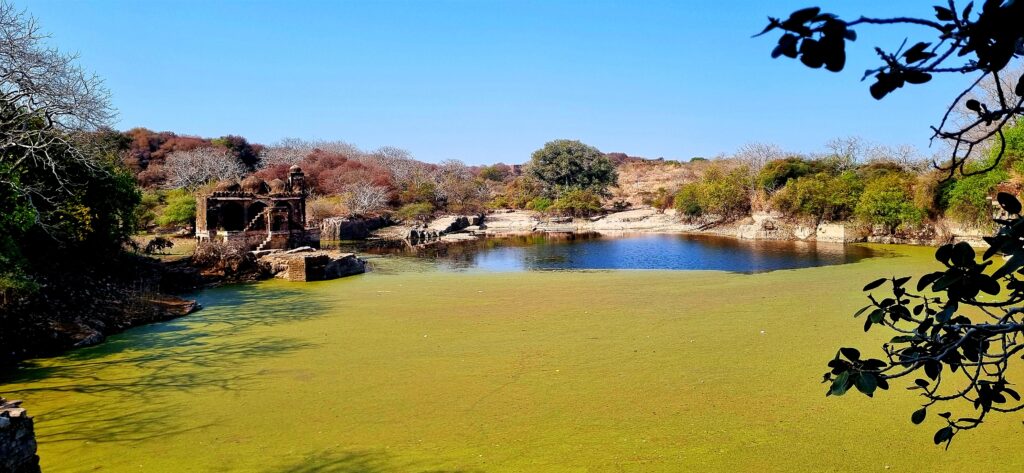
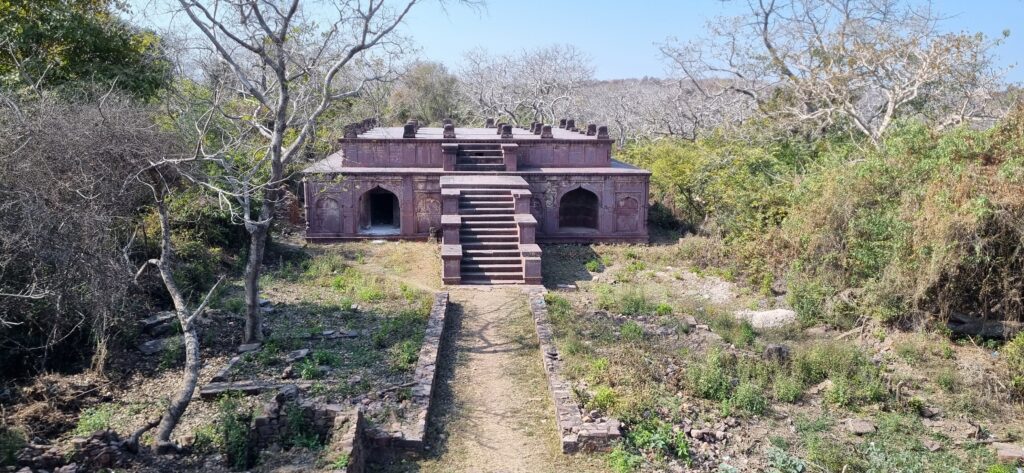
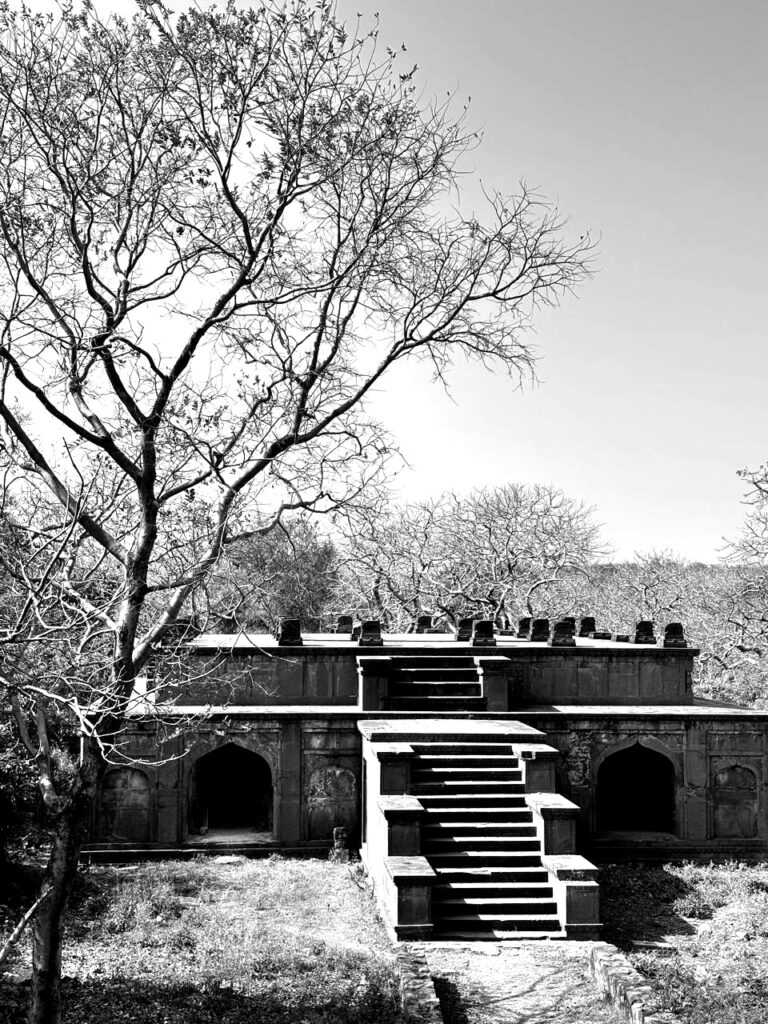
When the inner defences near Delhi Pol were breached, and no help was left to arrive, defeat became unavoidable. For the Rajputs, surrender—especially to a conquering sultan—was considered dishonourable.
At this point, Hammir Dev Chauhan is believed to have performed Sheesh Daan, the symbolic offering of his head. This act declared that while the fort might fall, their honour would not. It was not a military move, but a moral and symbolic end to resistance.
Following this act, Rani Padmani and other royal women performed jauhar, choosing self-sacrifice to avoid capture.
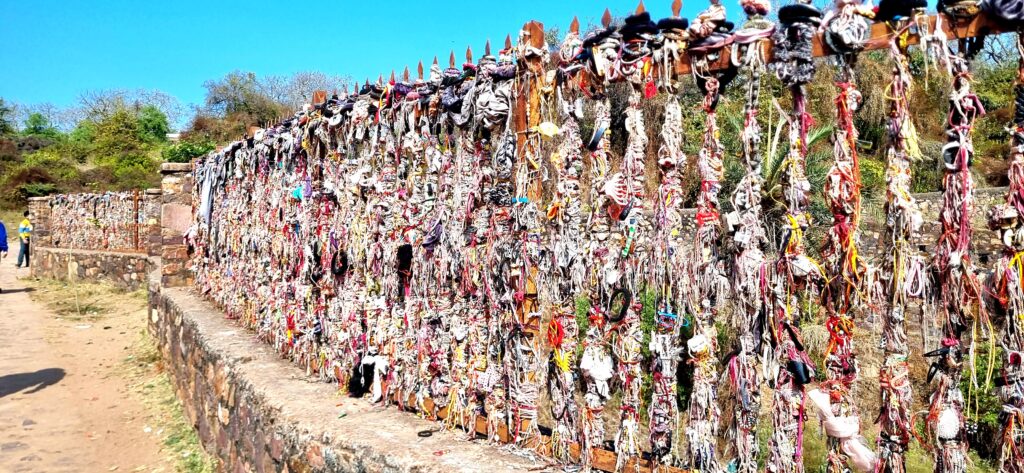
Sheesh Daan thus came to represent Hammir Dev Chauhan’s refusal to surrender and marked the moral end of Rajput resistance, just before Ranthambore finally fell to Alauddin Khalji in 1301.
Today, near Delhi Pol, a stone symbol representing the Sheesh is placed. Locals believe that Raja Hammir Dev still protects the fort, standing guard over Ranthambore even centuries later.
Trinetra Ganesh Temple: Faith Within the Fort
As we explored Ranthambore Fort, it became clear that this place was more than just stone walls and battle stories. Scattered quietly within the fort are several small temples that add depth and calm to its intense history.
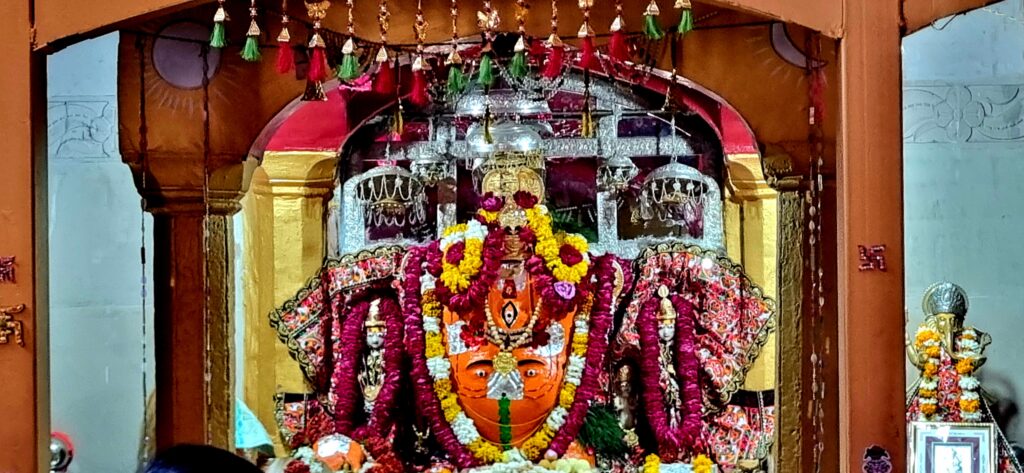
During one of the sieges, Hammir Dev Chauhan is believed to have received a divine vision of Lord Ganesh, assuring him of the fort’s protection. Soon after, an idol is said to have emerged naturally from the rock wall, and a temple was built at that very spot. The temple dates back to the 10th century, and the gate leading to it is known as Ganesh Pol.
According to historical legends associated with the temple:
- Soldiers believed that no battle should begin without seeking Lord Ganesh’s blessings
- Night attacks were avoided out of respect and reverence
Even today, the temple holds deep faith among devotees. People from across India send wedding invitations and wish letters to Lord Ganesh here before any auspicious event. Letters arrive daily, as it is believed that wishes written to Lord Trinetra Ganesh Ji are fulfilled with his blessings.
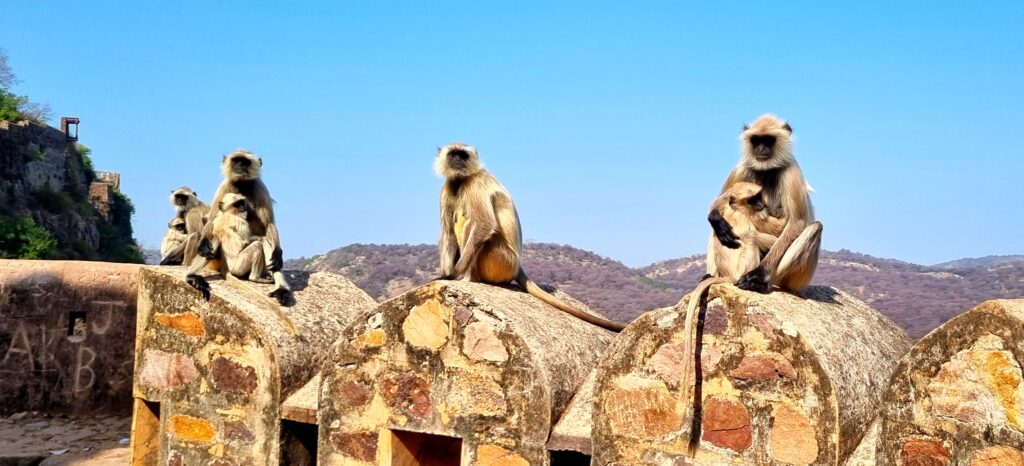
The entire fort area is home to countless monkeys and langurs, so visitors must stay alert at all times. I learned this the hard way—just a moment of carelessness, and a group of langurs snatched my bag containing toys, idols, and laddus bought from the temple. One second of overconfidence, and everything was gone 😄.
Apart from the famous Trinetra Ganesh Temple, Ranthambore Fort is home to several other ancient temples that reflect its deep spiritual and cultural roots.
Battees Khamba – Known for its 32 stone pillars, this structure is believed to have been used for religious gatherings and holds strong historical significance within the fort complex.
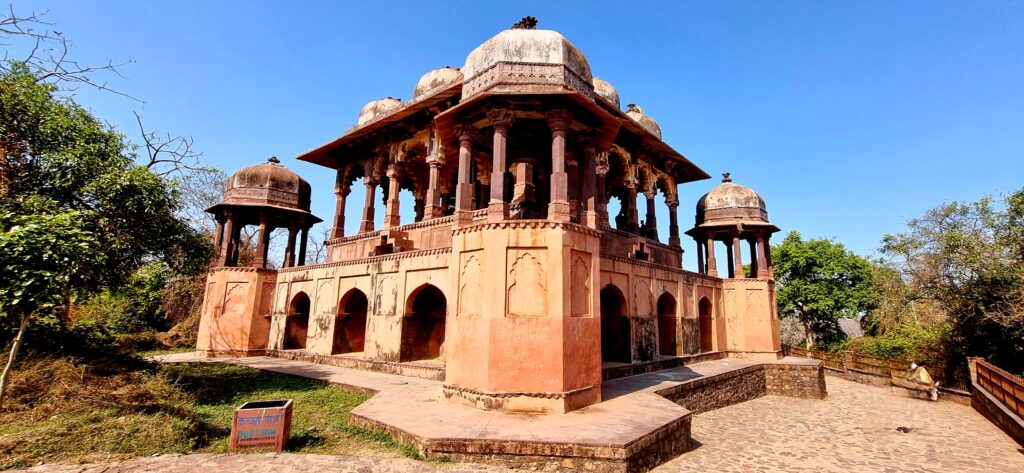
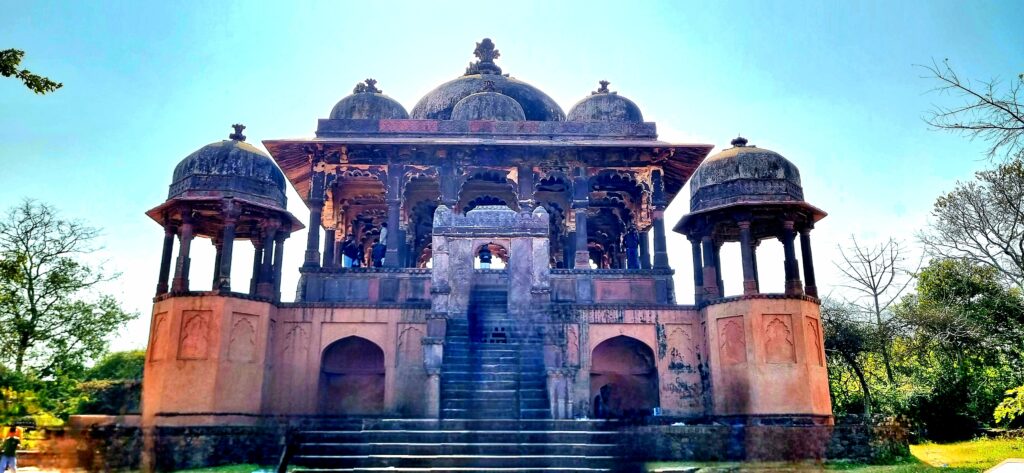
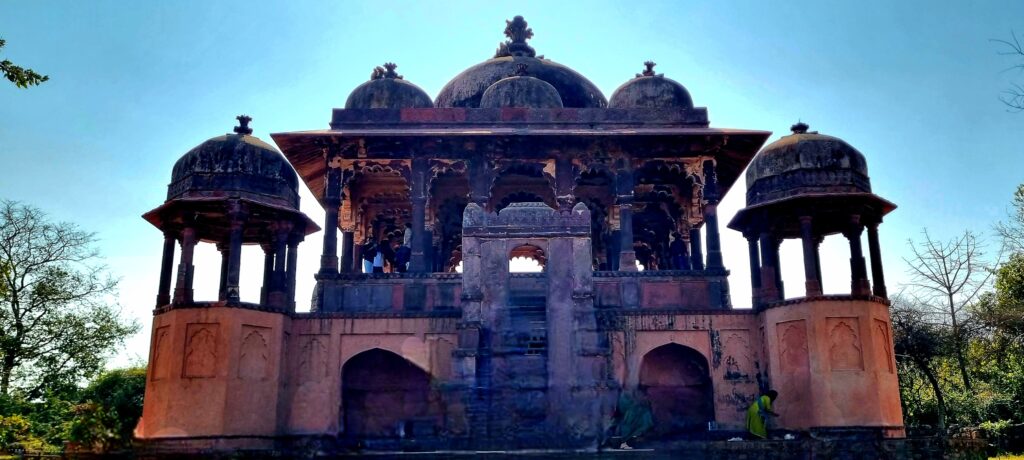
Kalika Mandir – A centuries-old temple dedicated to Goddess Kalika, worshipped as a powerful protector deity by the locals and warriors of the fort.
Jain Temple – An important place of worship for the Jain community, showcasing simple yet beautiful architecture and highlighting the religious harmony that once existed within the fort.
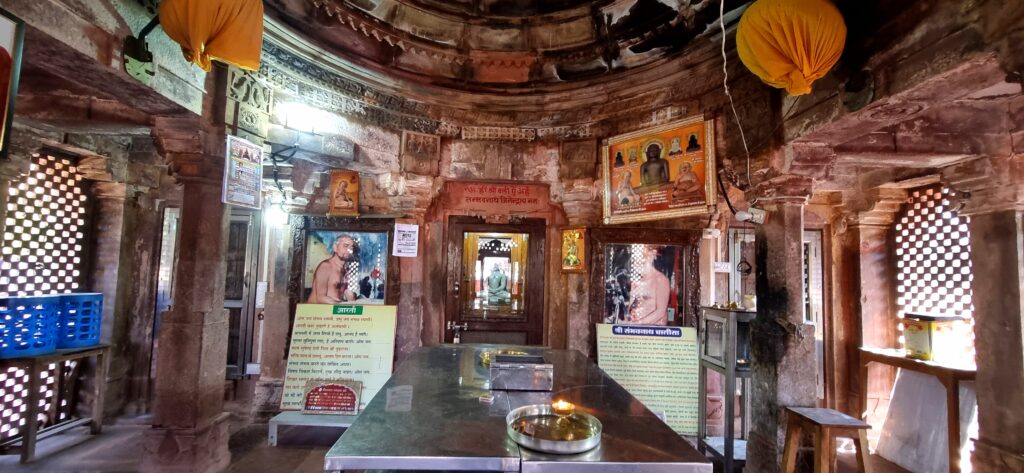
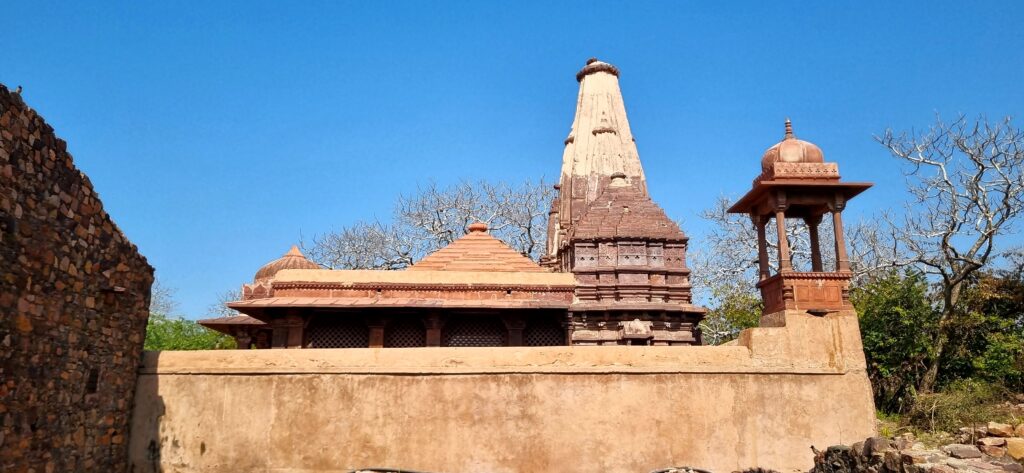
Shri Laxminarayan Mandir – Dedicated to Lord Vishnu and Goddess Lakshmi, this temple represents prosperity and balance, adding another spiritual layer to the fort’s landscape.
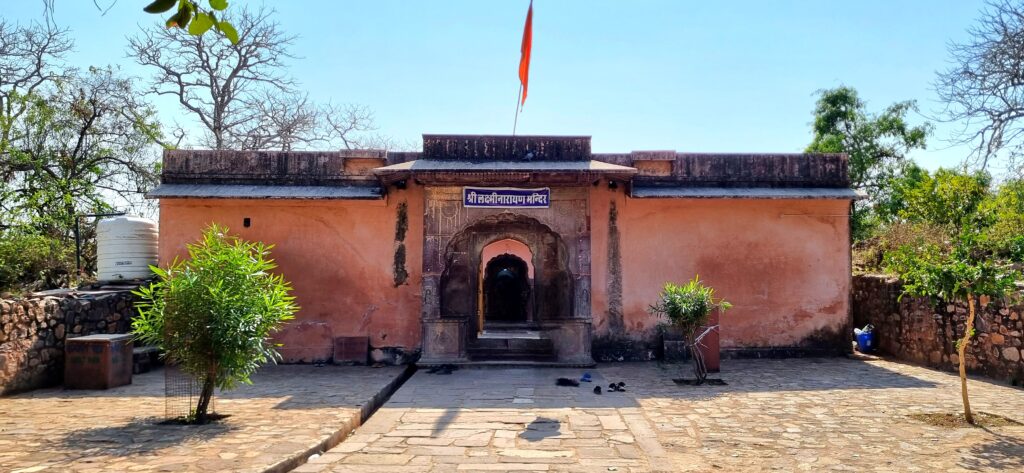
Patali Mata is believed to be one of the oldest temples inside the fort, deeply rooted in local faith and tradition. The temple gets its name from the fact that it is located below the ground level within the fort.
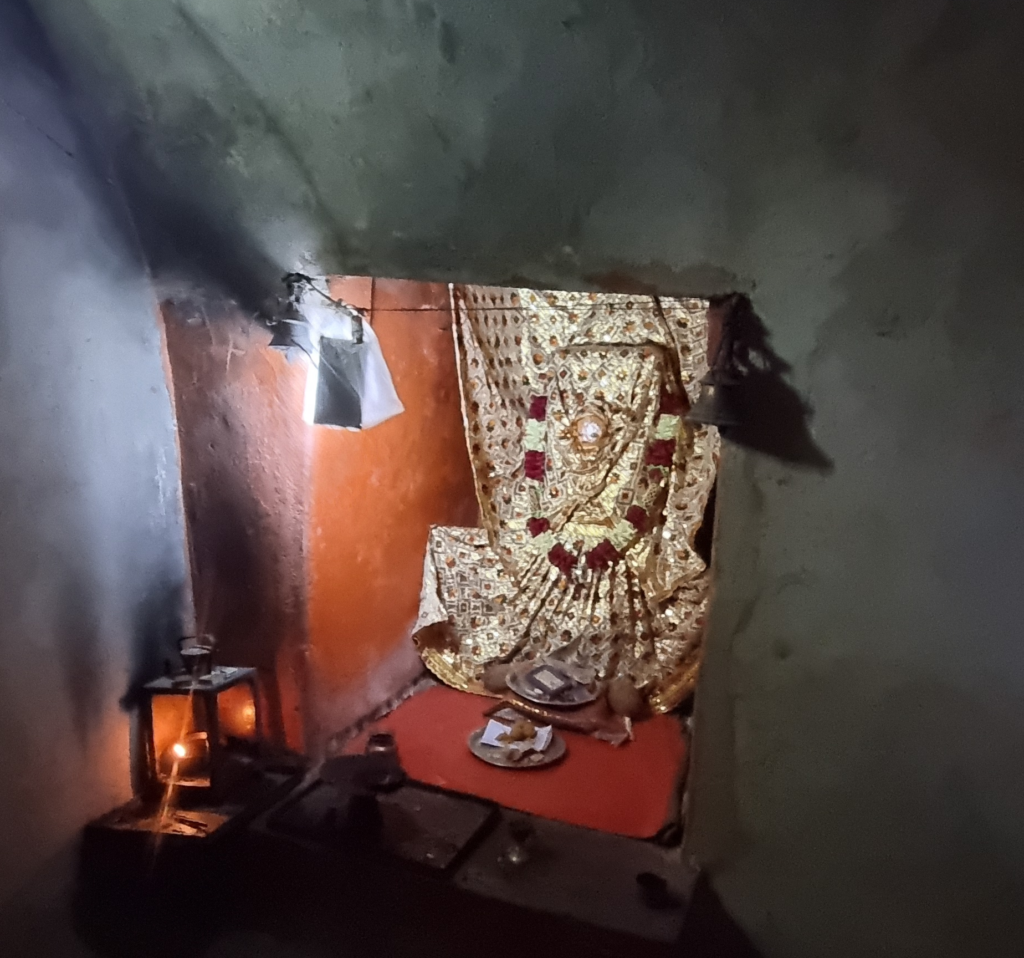
Annapurna Mandir stands as a symbol of nourishment and abundance, reflecting the everyday spiritual life of the people who once lived within these walls.
These lesser-known temples often remain unnoticed by visitors, yet they quietly add depth to Ranthambore Fort’s identity—making it not just a military stronghold, but a sacred space shaped by faith, belief, and devotion.
Visitor Information:
- Timings: Morning to evening (varies by season)
- Best Time to Visit: Early morning for peace and fewer crowds
- How to Reach: By jeep, canter, or taxi via the Ranthambore Fort route
- No Tickets, Free Entry
Museum, Lunch & Chambal Safari
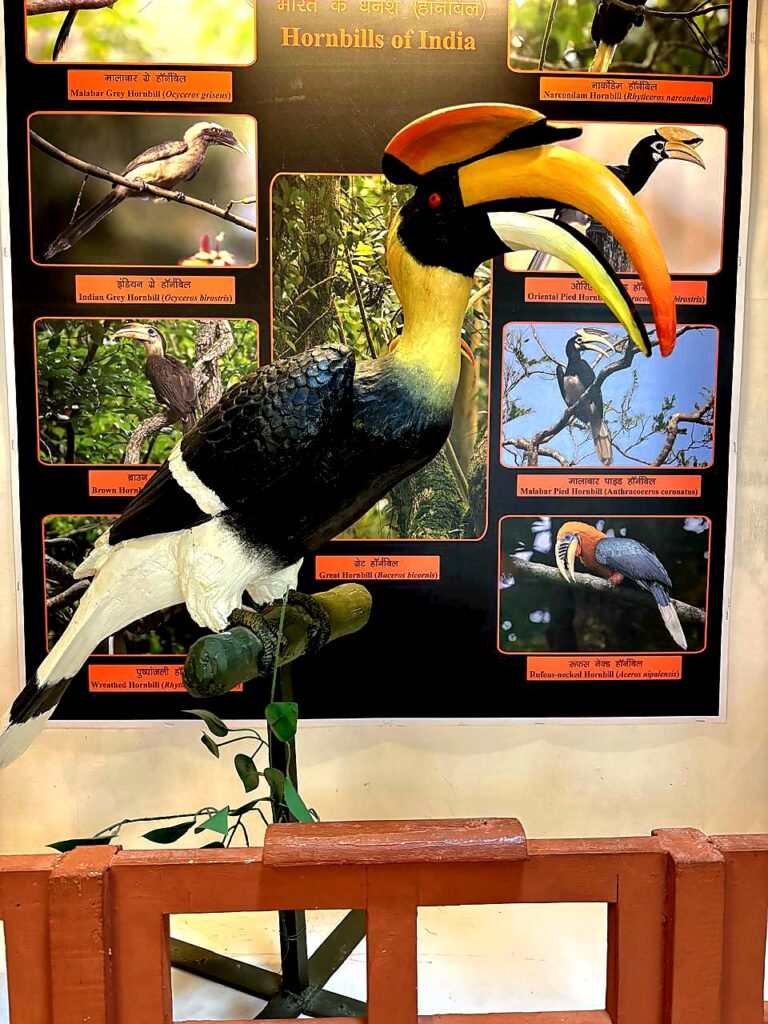
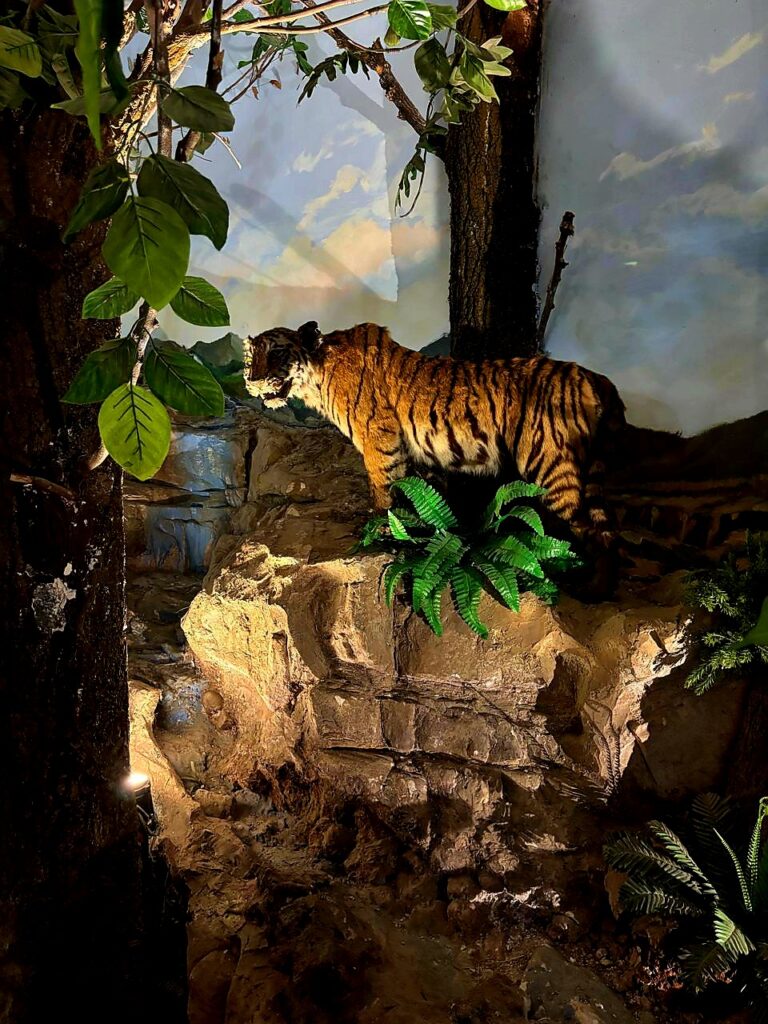
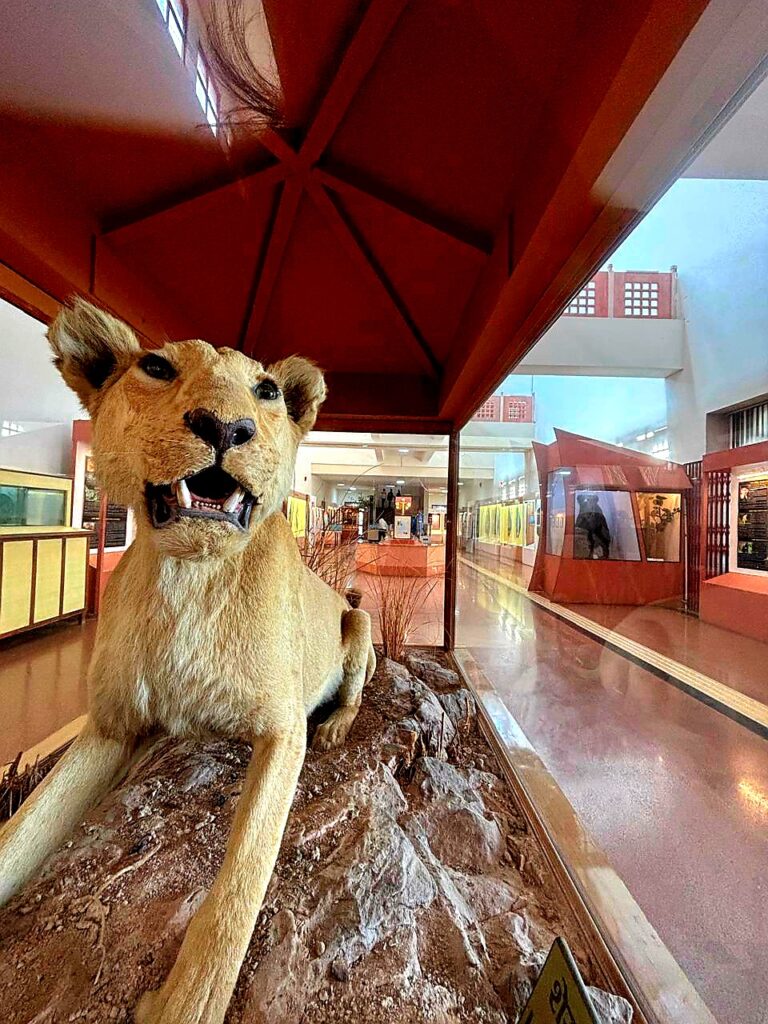
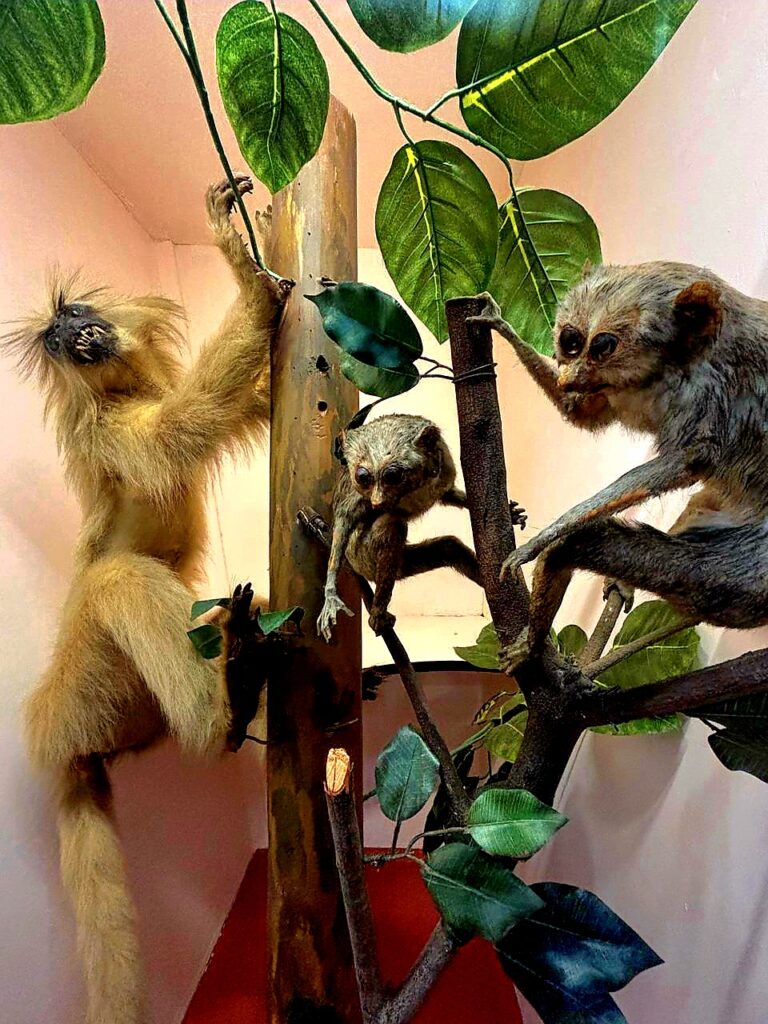
After visiting the fort, we stopped by the Rajiv Gandhi Regional Museum of Natural History, where the entry was completely free—no ticket required.
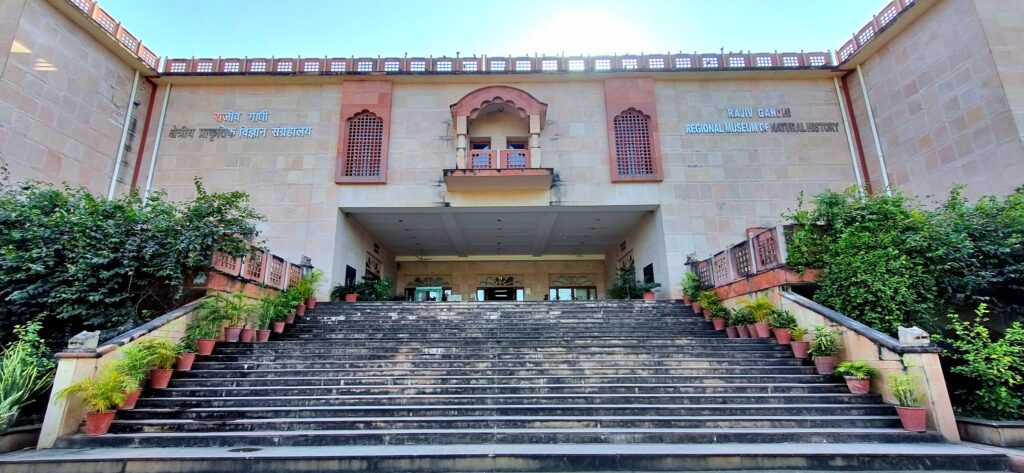
The museum mainly focuses on the local region of Ranthambore, showcasing its rich flora and fauna, wildlife, and the traditional lifestyle of the people living in and around the forest areas. It gives a good understanding of the animals, birds, and natural environment of the region.
The museum is located near Ramsinghpura, about 9 km from Sawai Madhopur, on the same route that leads to the fort. Due to lack of awareness, many tourists end up missing this place, but it is definitely worth a short visit.
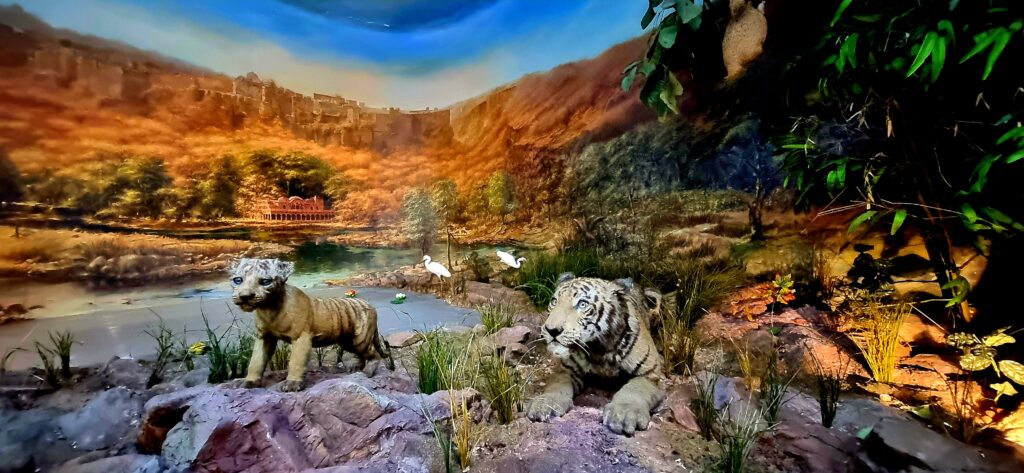
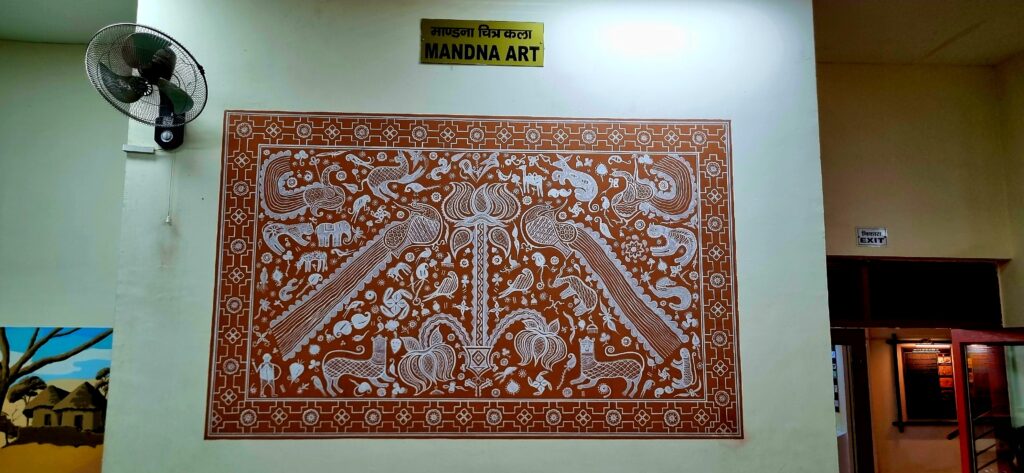
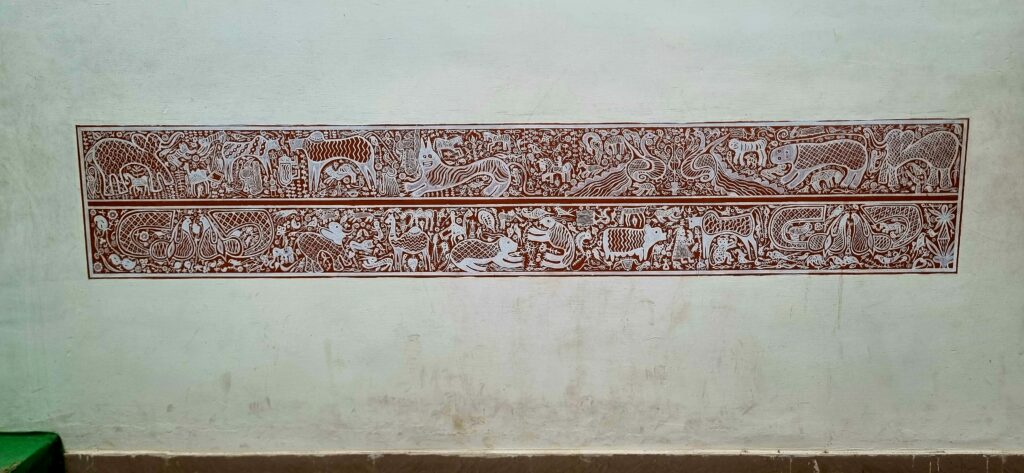

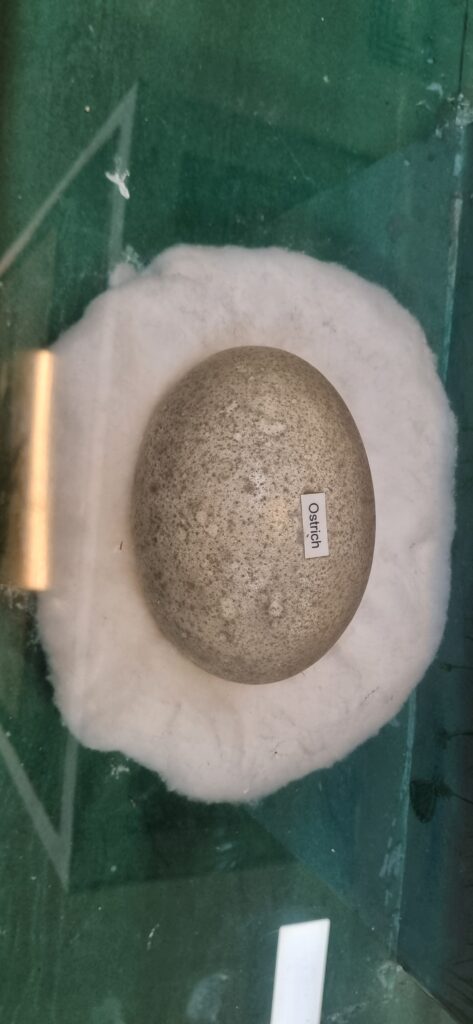
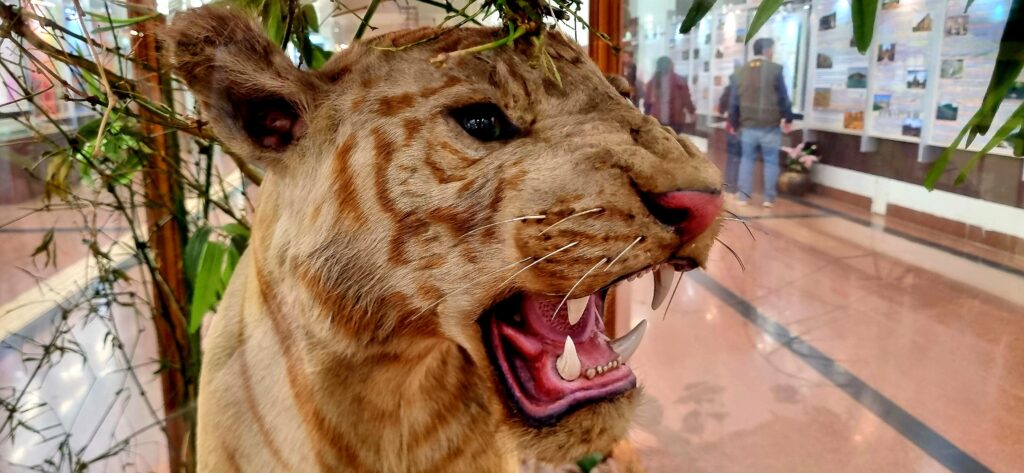
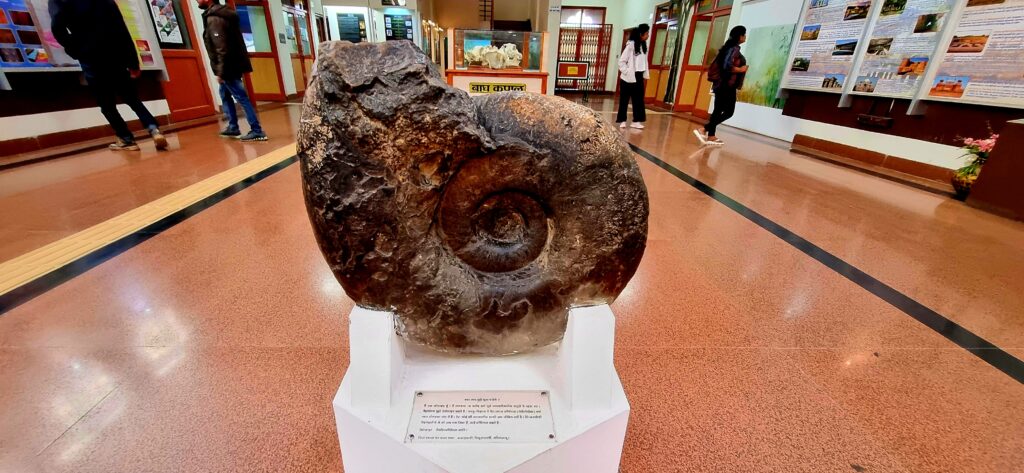
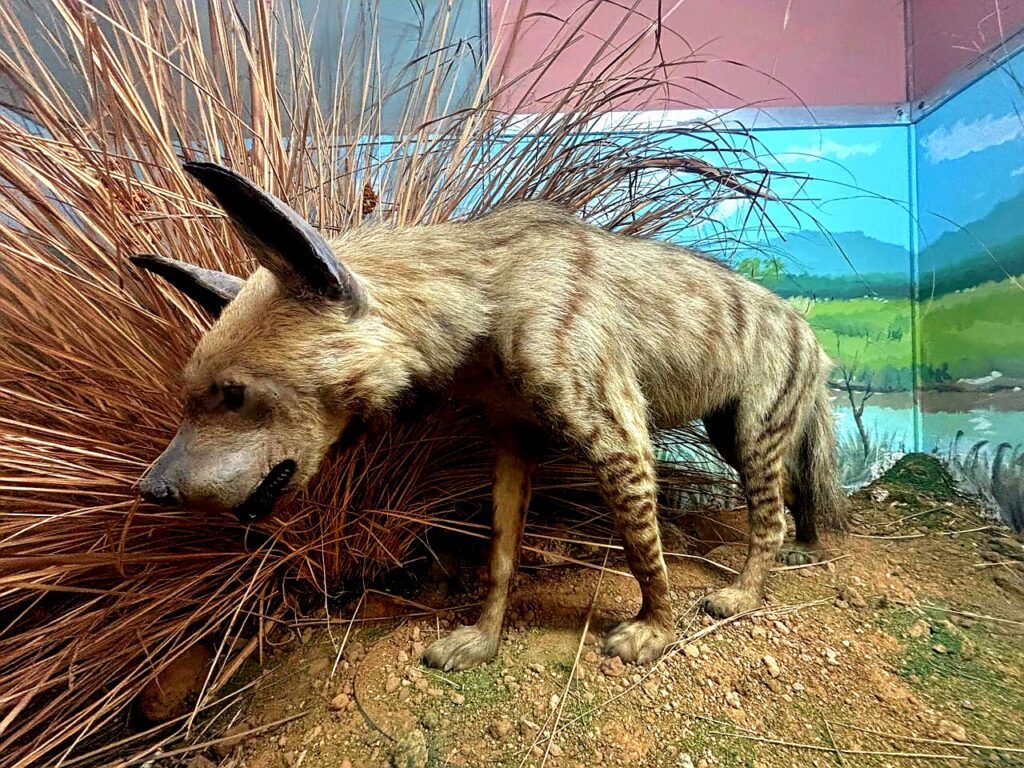
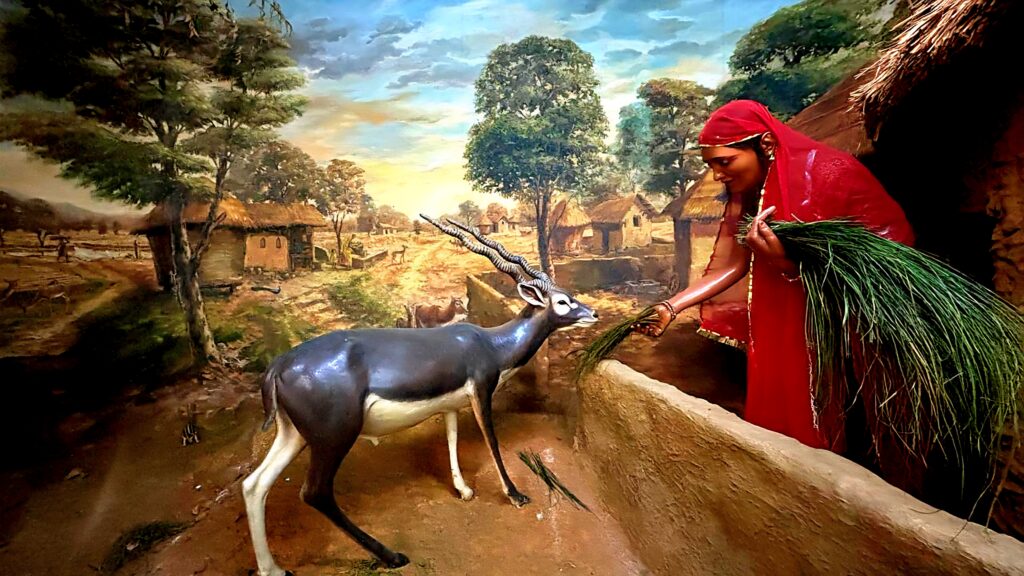
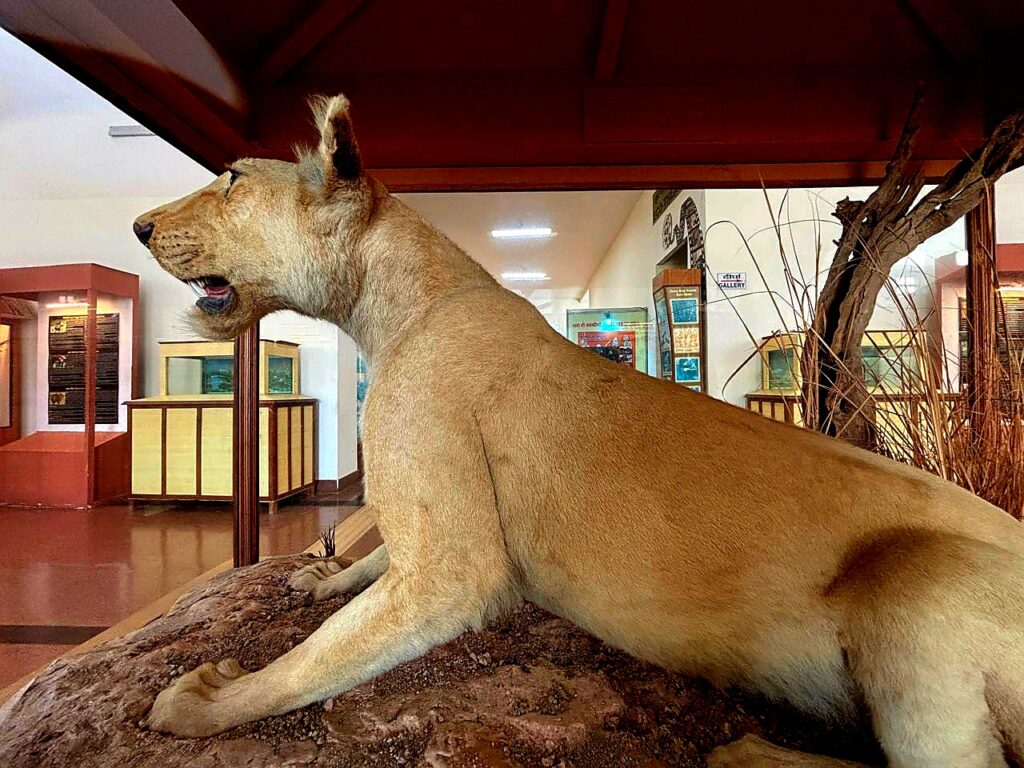
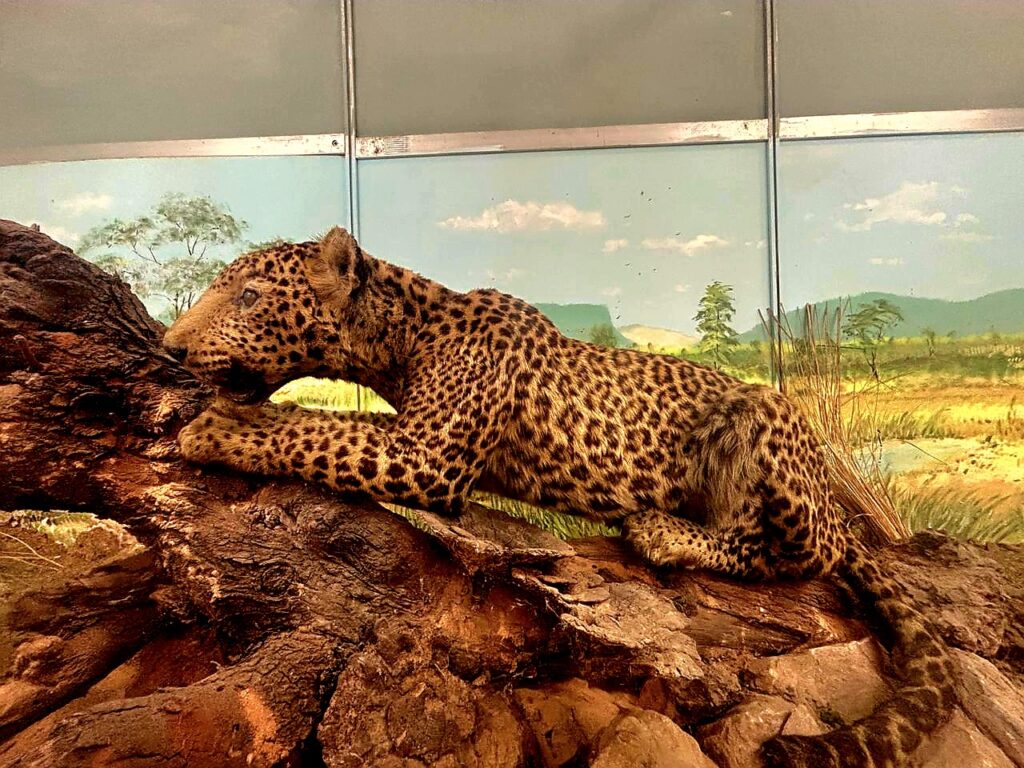

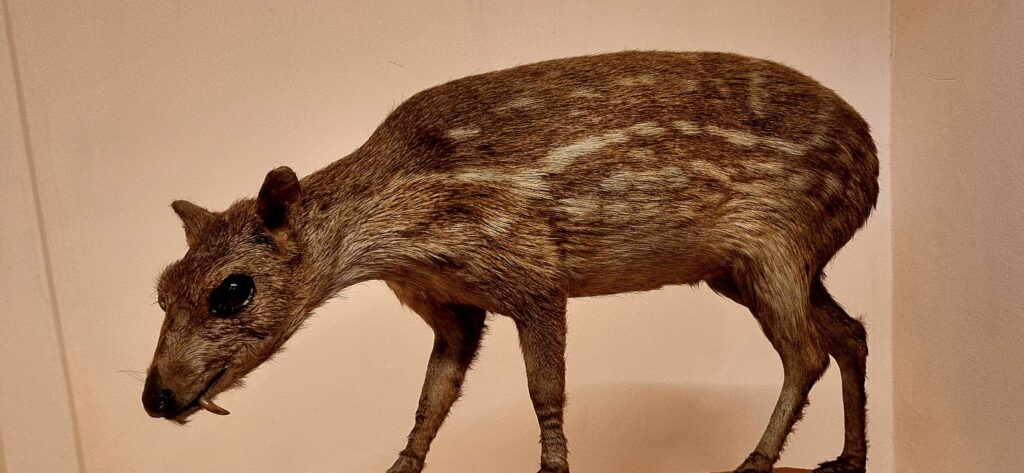
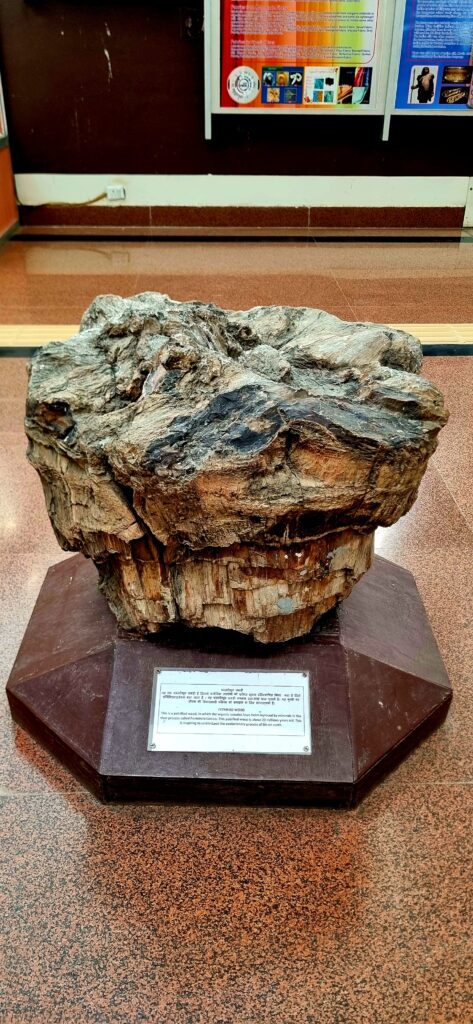
By now, it was almost 3 PM, and hunger had started to kick in. We headed to Hanumanta Restaurant for lunch—a simple, budget-friendly place with no compromise on taste. We enjoyed Kadai Paneer, Sev Bhaji, Dal, Raita, and Rotis, and the total bill came to around ₹850 for five people.
It was a satisfying meal that treated our taste buds well and gave us the energy we needed to head towards our next destination—the Chambal Safari.
Chambal Safari: Where the River Tells Stories
Ranthambore lies close to the Chambal region, and if you’re visiting Ranthambore, this safari is something you should definitely add to your list. Located about 30 km away, the Chambal Safari offers a rare chance to see crocodiles, gharials, turtles, and several bird species in their natural habitat.

The boating safari lasts for around 40 minutes, taking you along calm stretches of the Chambal River where gharials and crocodiles are often seen resting in the sunlight along the riverbanks. It is one of the best places in India to observe these reptiles in the wild.
The ticket price for Indians is around ₹765 per person, while students can avail a discounted rate of about ₹550. The safari operates between 8 AM and 6 PM, and tickets can be booked either online or directly at the safari gate.



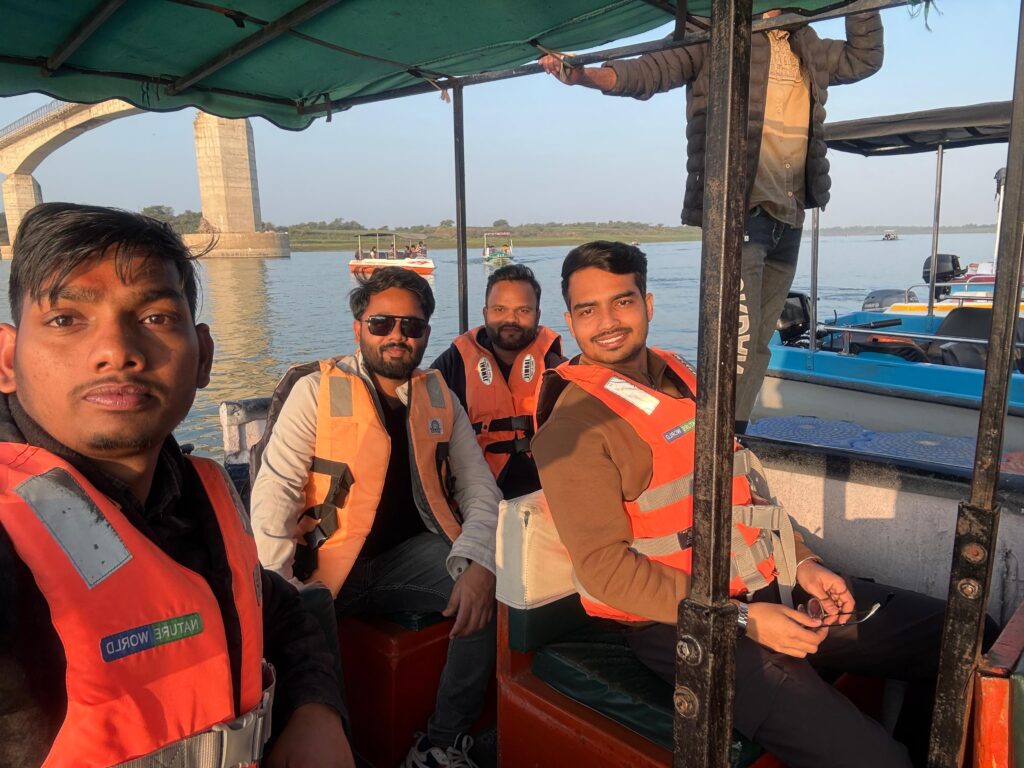
After completing the safari, we headed towards a hidden spot near the Chambal riverbank, known for its beautiful sunsets and peaceful surroundings. Unfortunately, we arrived a little late, and it was already dark. Still, sitting by the river, listening to the flowing water, feeling the cool breeze, and breathing in the fresh air felt incredibly relaxing after a long and hectic day.
The place had a lively vibe as well—there was a group of people enjoying music and dancing, making it feel like a perfect offbeat riverside hangout.
With that, we wrapped up our Day 2 and headed back home to enjoy Rajasthani special daal baati and mirchi. The taste was authentic and pure, and honestly, we had been waiting for it the entire day.
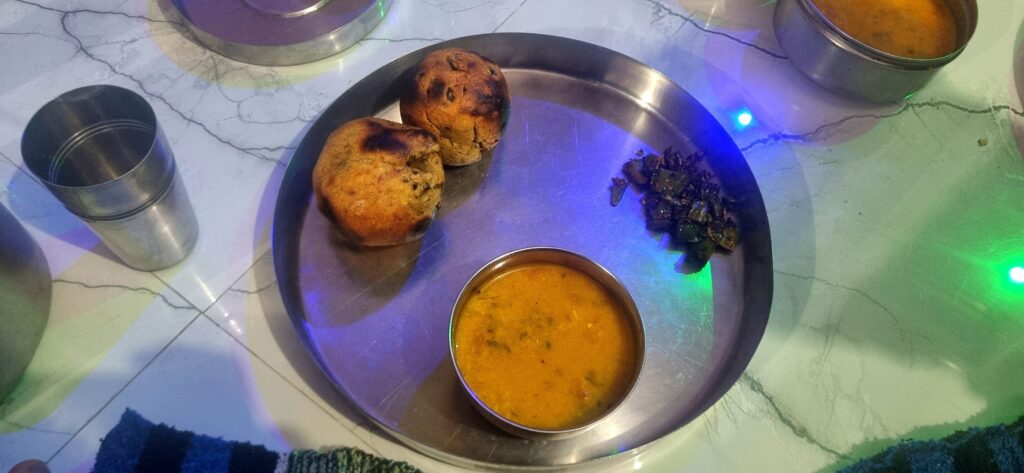
In Chhan village, the streets become completely empty by around 9 PM. No one is seen outside, possibly due to the presence of wild animals at night. We still had energy left, so we spent the rest of the night playing cards, bluff, and lakdi, laughing and sharing stories.
Day 2 turned out to be packed and fulfilling—we covered the Fort, Trinetra Ganesh Temple, Museum, Chambal Safari, and a peaceful riverside spot. We ended the day hoping to get lucky with a tiger safari on Day 3, though it already seemed unlikely.
Let’s see what the final day had in store for us…
Day 3: A Morning in the Wild, A Goodbye to Remember
Since it was the busiest weekend due to the 26th of January, we missed out on the tiger safari. Instead of feeling disappointed, we decided to make the most of our final day by going on a morning trek in an allowed forest area near the safari region.
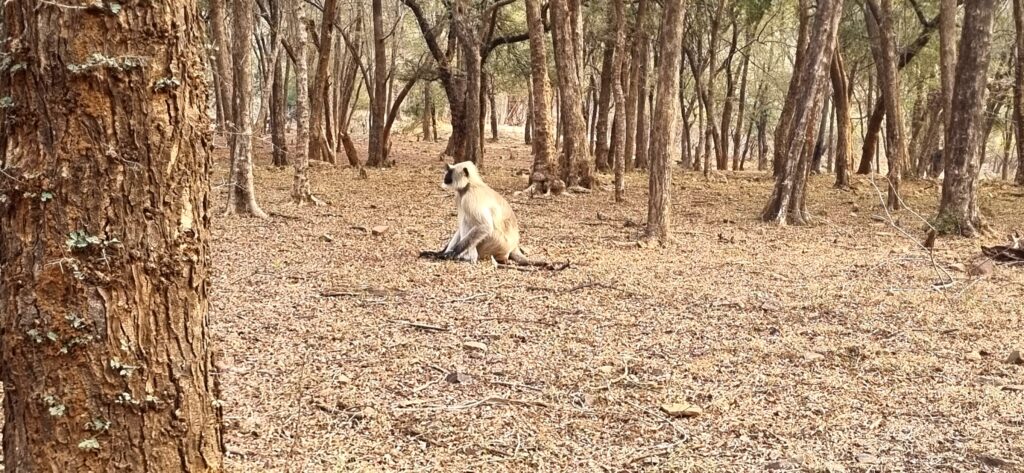
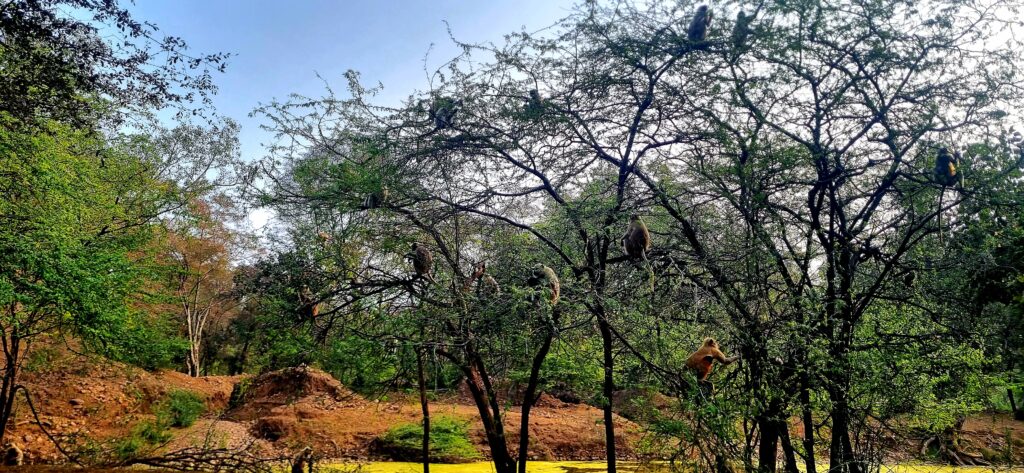
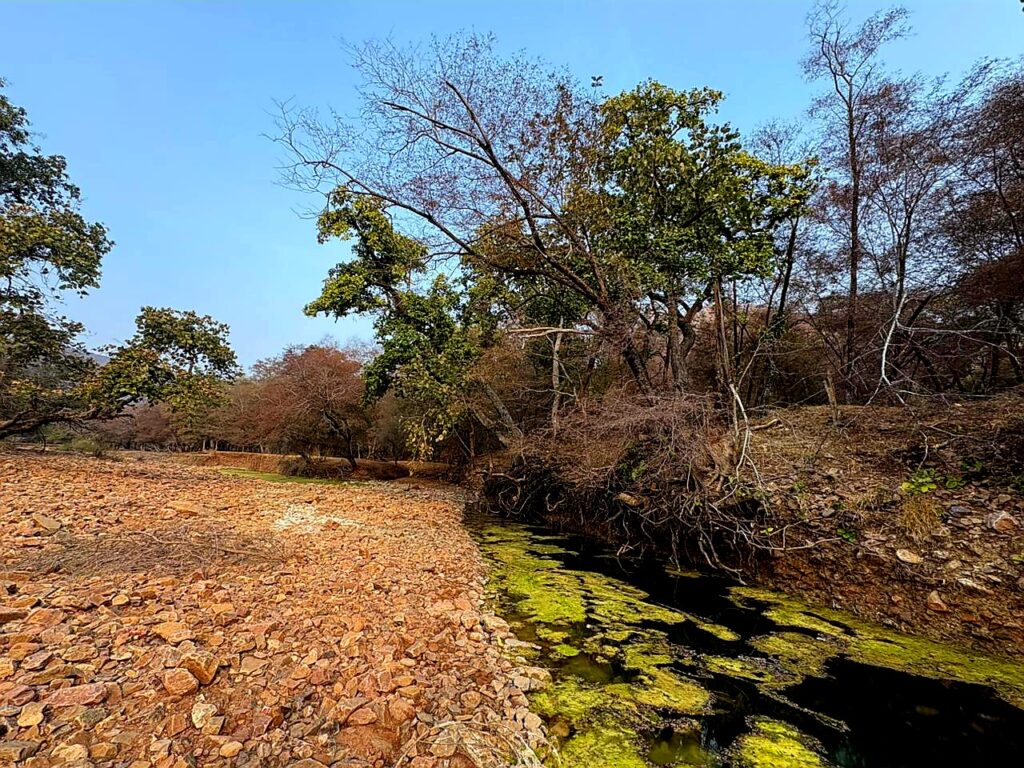
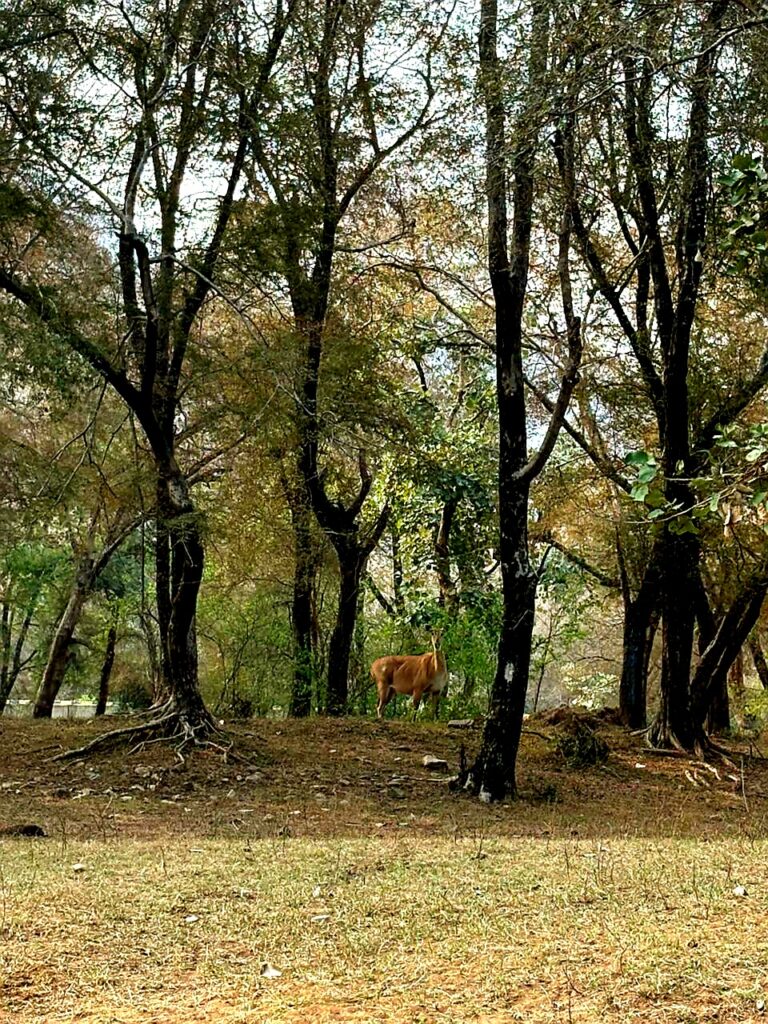
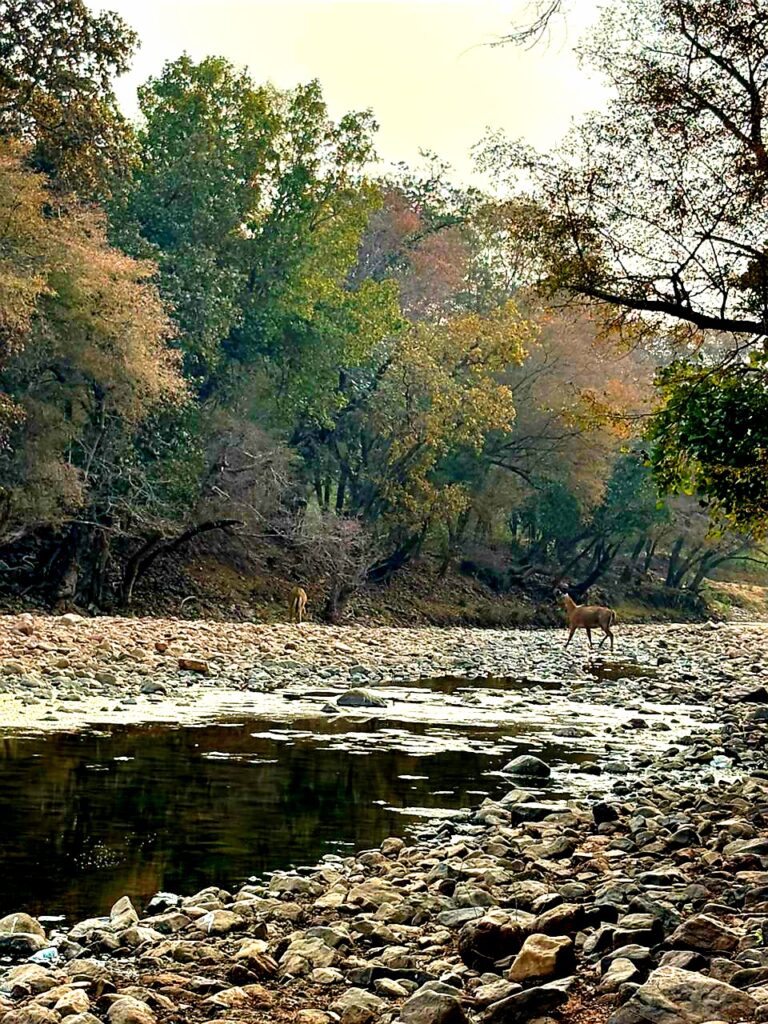
As we were heading back home the same day, we planned to cover a few spots along the way so that we could arrive on time while still exploring as much as possible. We left around 8 AM and stopped at Vankhandi Balaji Maharaj, located near Zone 10 of the tiger safari, an area that permits trekking into the forest.
We parked our car by the roadside and began trekking towards the ashram. Right from the start, we were welcomed by monkeys, langurs, and peacocks. The silence of the forest, broken only by bird calls, gave us a true jungle feel—peaceful yet slightly thrilling, with the constant awareness of wildlife around us.
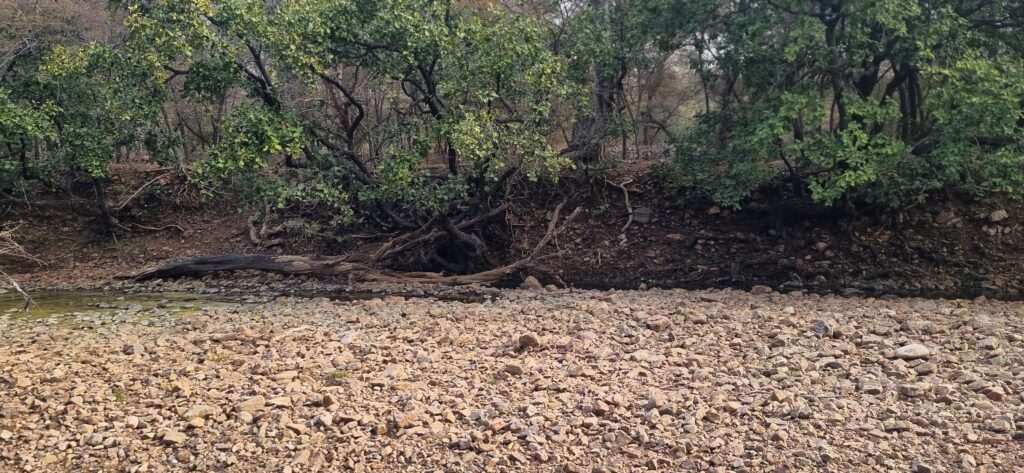
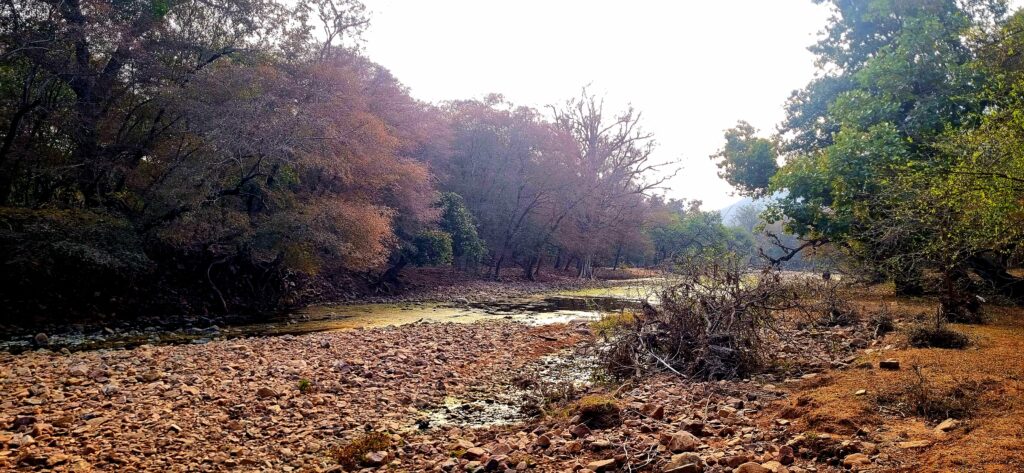
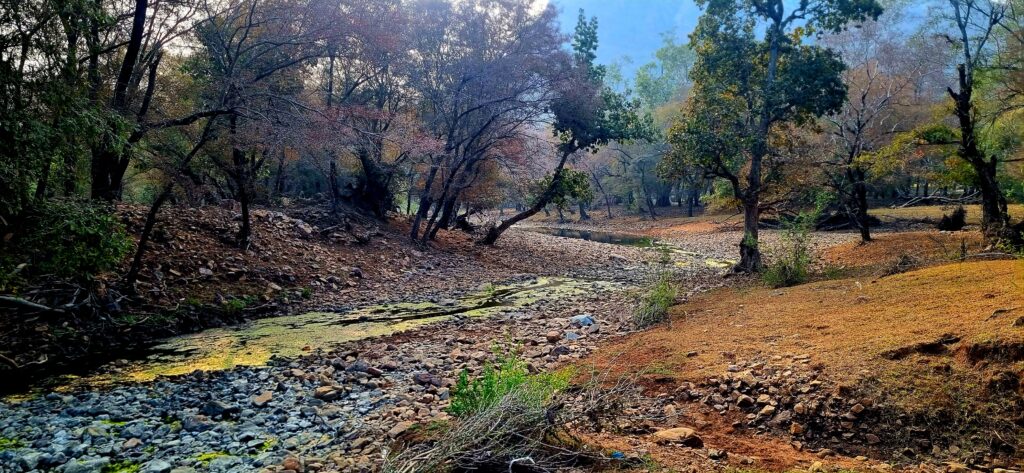
The trek covered a distance of around 3–4 km, passing through small water streams and forest paths. Along the way, one can usually spot animals like monkeys, langurs, peacocks, nilgai, and deer. Unfortunately, we didn’t encounter any other animals that morning, but the lush views and raw forest atmosphere made up for it.
After spending some time there—clicking photos, shooting videos, and simply soaking in the surroundings—we moved on to our next destination, a temple located high on a hilltop.
Shri Kaal Gora Bhairavnath Ji Temple
Shri Kaal Gora Bhairavnath Ji is a large and powerful guardian shrine located on a cliff within the Ranthambore Fort area. Worshipped as the protector of the fort and the surrounding forests, the temple is deeply associated with protection, justice, and tantric beliefs.
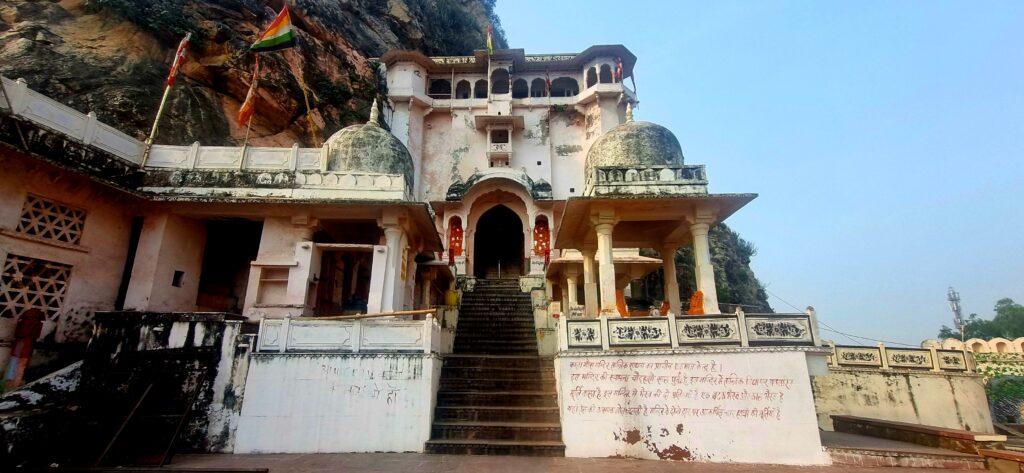
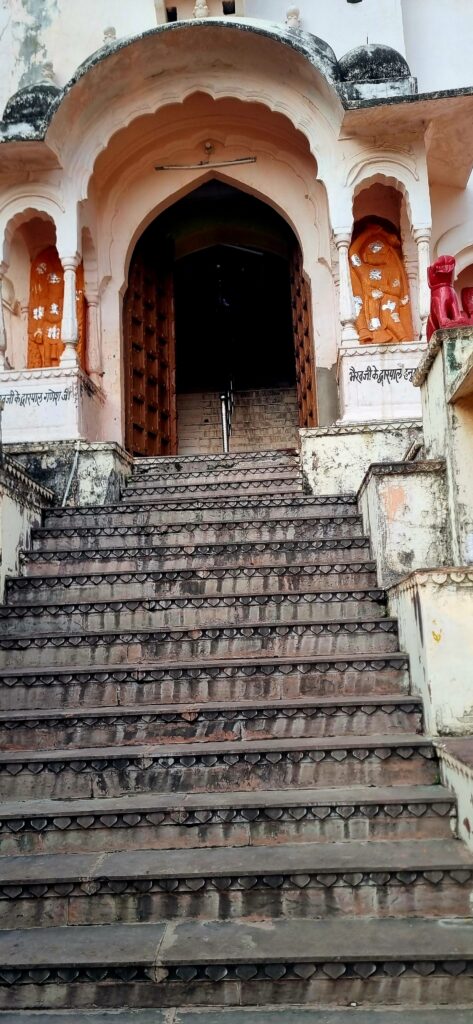
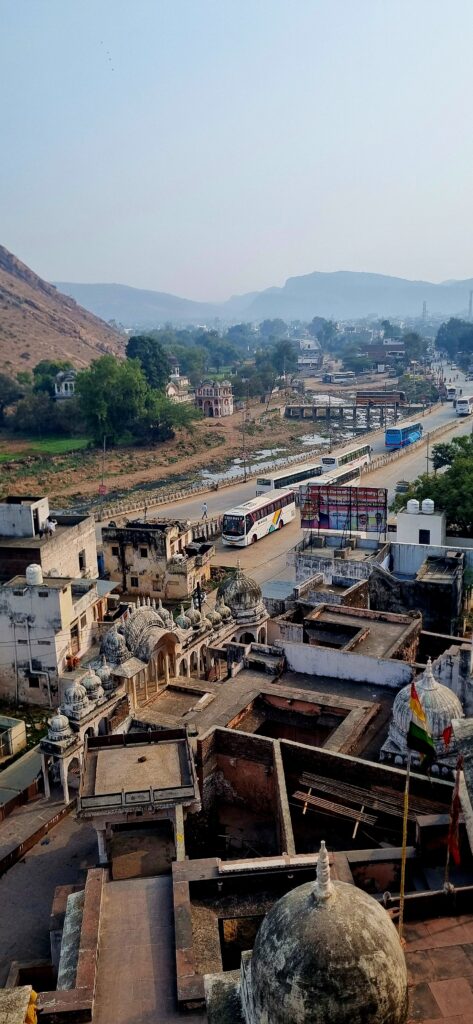
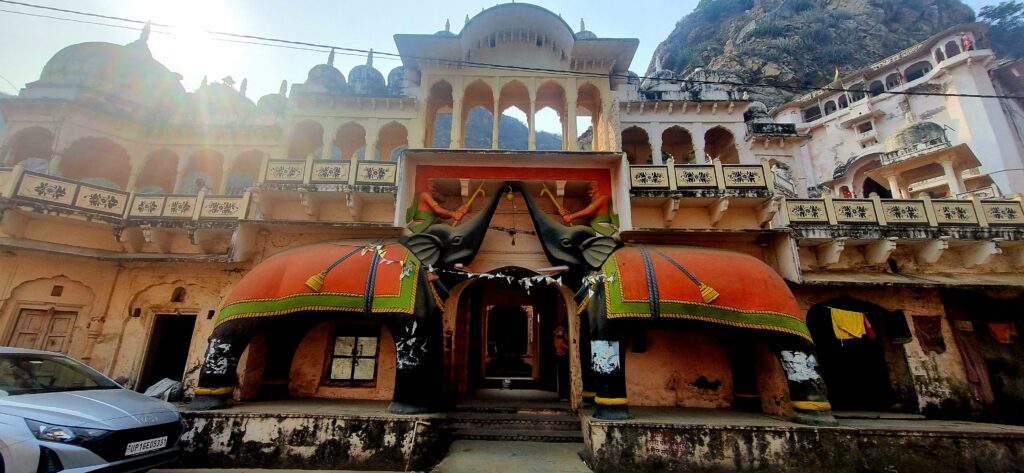
Situated away from the main tourist flow in the upper fort area, the temple is often visited after offering prayers at the Trinetra Ganesh Temple. Inside, there are idols of Lord Shiva and Bhairavnath Ji, and the view from the temple offers a wide and breathtaking panorama of the city below.
To conclude our trip, we stopped at a famous local shop near the Ranthambore main gate for breakfast. One last time, we enjoyed daal papdi and poha, and honestly, it felt like the perfect farewell meal.
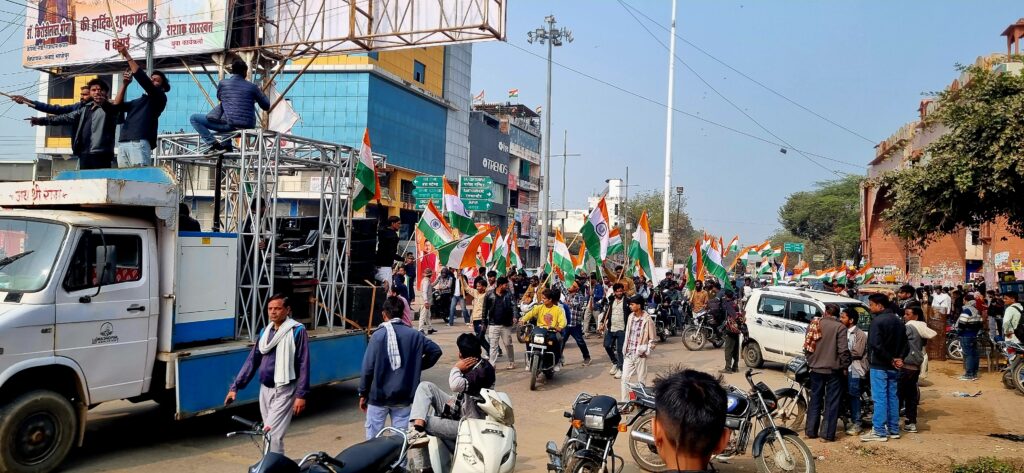
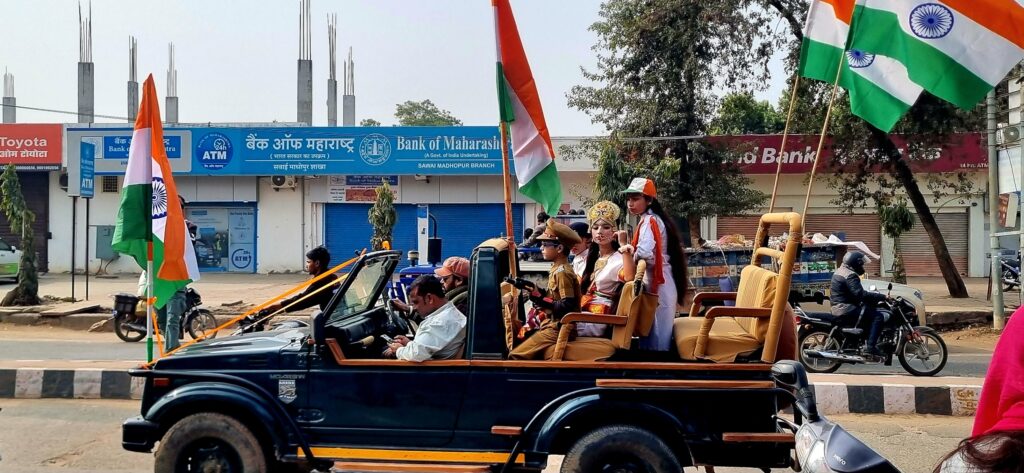
While having breakfast, we witnessed a Republic Day rally passing through the area. Locals were chanting and dancing to patriotic songs, and children dressed as soldiers, Bharat Mata, and doctors were the highlight of the procession. What made the rally truly special was the absence of politicians—it was completely organised and celebrated by the local people of Ranthambore, along with ambulances and community groups.
That moment beautifully concluded our Day 3 and our short yet memorable trip. With hearts full of experiences and minds filled with stories, we finally headed back home.
Closing Thoughts: An Incomplete Journey, A Complete Experience
We missed the tiger safari and the village cultural event, and yes, that did feel unlucky at first. But some journeys are meant to stay incomplete—not as a loss, but as an invitation to return. These unfinished moments quietly promise another visit, another story yet to be lived.
What stayed with us was far more meaningful— it was the warm hospitality, the taste of honesty, the authentic home-cooked food, the slow rhythm of village life, the fresh air, and the endless farm fields that calmed the mind. In those simple moments, we found something rare.
We didn’t just visit Ranthambore for a safari or a temple—we felt its soul. And while many come, see, and leave, we carry back memories that will gently pull us here again.
Because some places don’t let you leave completely—and Ranthambore is one of them.
Takeaways from the Trip
- Not all great trips start with a plan—some start with a cancellation
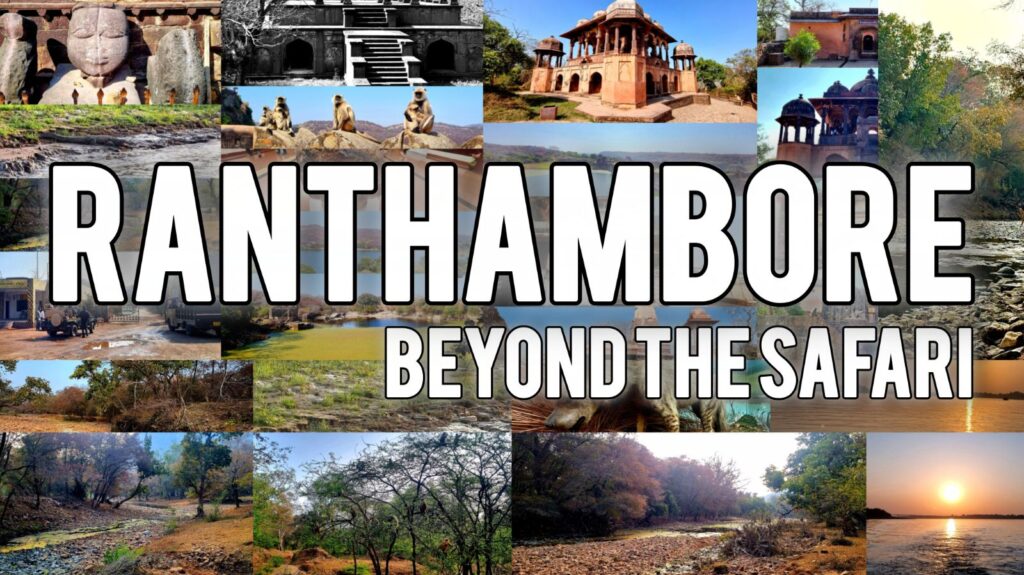
- Ranthambore is more than just tigers and safaris
- Staying with locals changes the entire travel experience
- History feels different when heard from the people who live around it
- Village mornings, simple food, and silence are luxuries
- Some trips should remain incomplete—to give you a reason to return