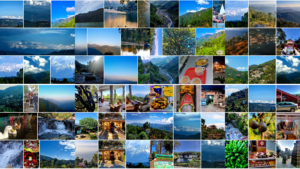

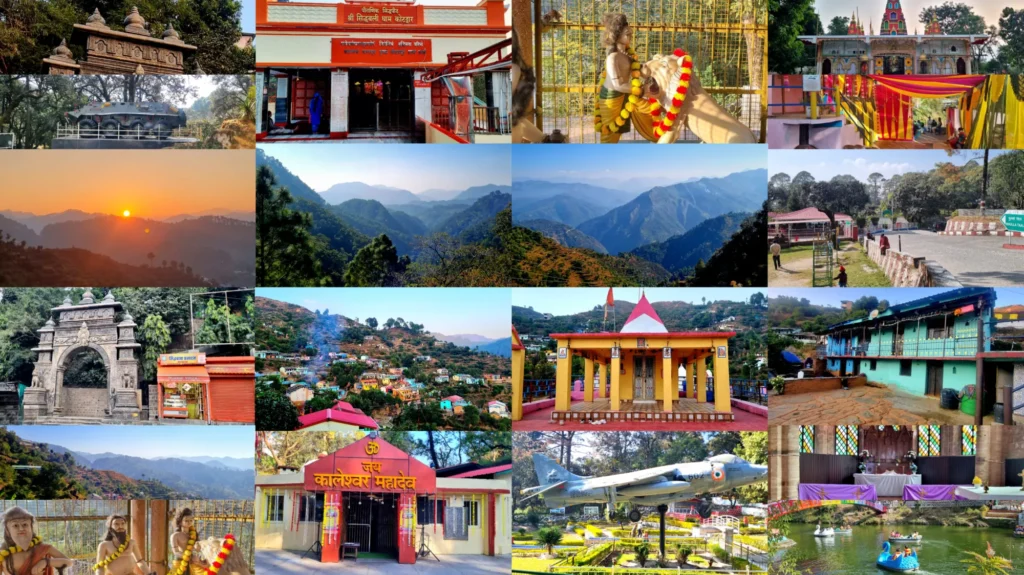
The trip began with just one clear purpose—to attend a beautiful Garhwali wedding in the hills. Yet, as the days unfolded, the journey quietly offered me far more than I had imagined. Kotdwar’s charm, Raidul’s village warmth, the foggy mountain roads, peaceful mornings, friendly faces, and Lansdowne’s misty views slowly stitched themselves into the experience, turning it into something much deeper. Four days wrapped in mountains, culture, and moments that felt as though they had stepped straight out of a travel blog. 🌄✨
Day 1: Leaving Gurgaon, Chasing the Hills: Arrival at Kotdwar
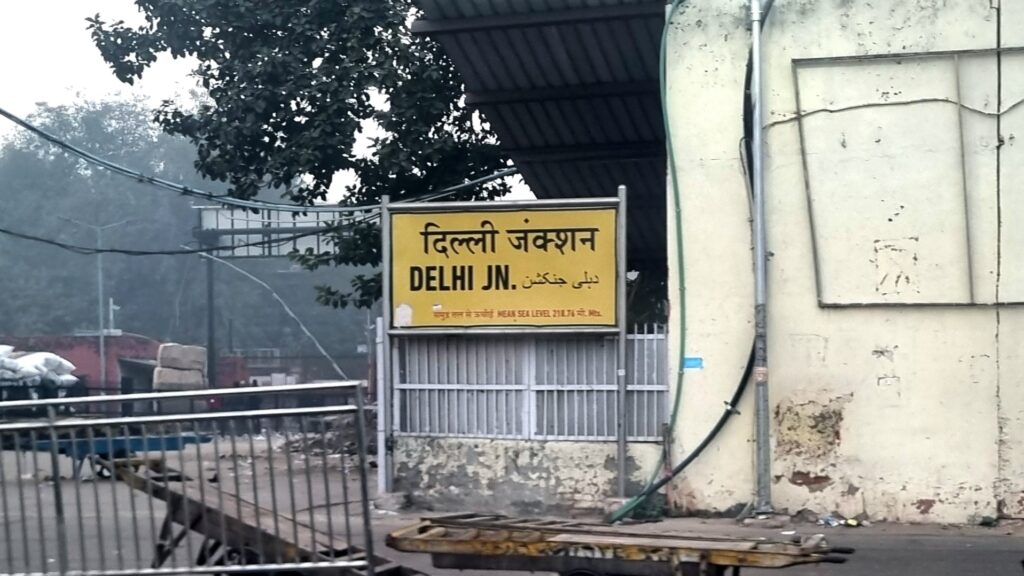
The day began in the quiet stillness of 5 AM as I left Gurugram and made my way to Delhi Junction. The city was only just waking up, but my journey had already found its rhythm. I was set to board the Siddhabali JSH 12038, the 7 AM daily train to Kotdwar—my gateway to the mountains and to a beautiful Pahadi Garhwali wedding celebration waiting ahead.
The train, a comfortable chair-car with a fare of around ₹490, rolled out right on time. As the hours passed, the scenery outside slowly shifted—from the noise of the city to open fields, small towns, and finally, the first hints of the hills.
After nearly seven hours, at 1:52 PM, the train eased into Kotdwar Junction. Something in the air felt different. The pace had slowed, the sounds had softened, and the cool Garhwal breeze felt like a warm welcome. It was as if the mountains had started calling even before I had fully arrived.
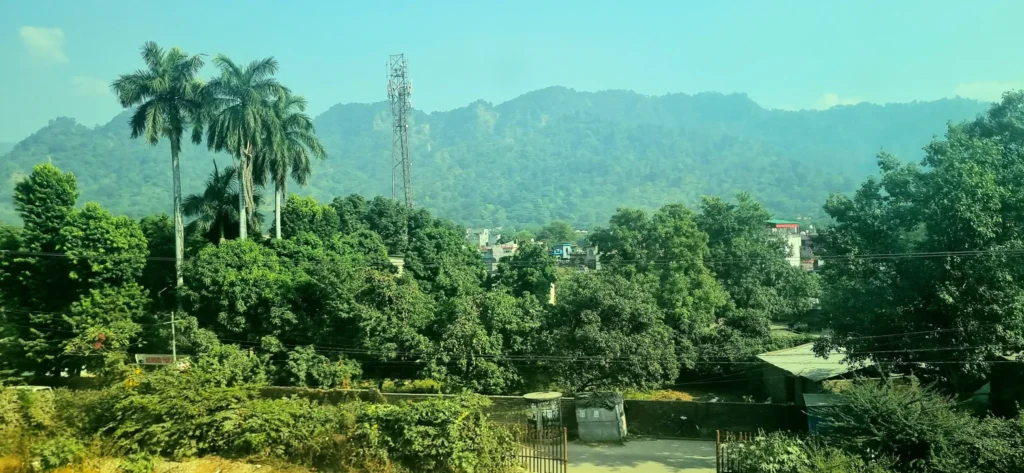
From that moment, my mountain journey truly began—quiet, scenic, and wrapped in that unmistakable pahadi charm waiting to unfold.
Stepping out of the station, I wandered through the nearby lanes, looking for a comfortable place to stay for the day. After a bit of exploring, I found an affordable and decent room at Hotel Trilok for ₹1100. I checked in, freshened up, and without letting the afternoon slip away, stepped out again—this time toward Kanvashram, the serene and historic site known as the birthplace of Chakravarti Samrat Bharat, the legendary universal ruler.
Tucked away in a quiet, remote corner with hardly any direct public transport, the ashram felt pleasantly distant from the rush of town life. I booked an auto for the round trip, which cost ₹350, and the drive through the surrounding greenery made every rupee feel well spent.
Kanvashram, “The Birthplace of Chakravarti Raja Bharat- a legendary universal ruler”
Kanvashram is an ancient ashram near Kotdwar, named after Sage Kanva, who is believed to have lived and meditated here thousands of years ago. The moment you arrive, you realize this place is deeply woven into the famous story of Shakuntala.
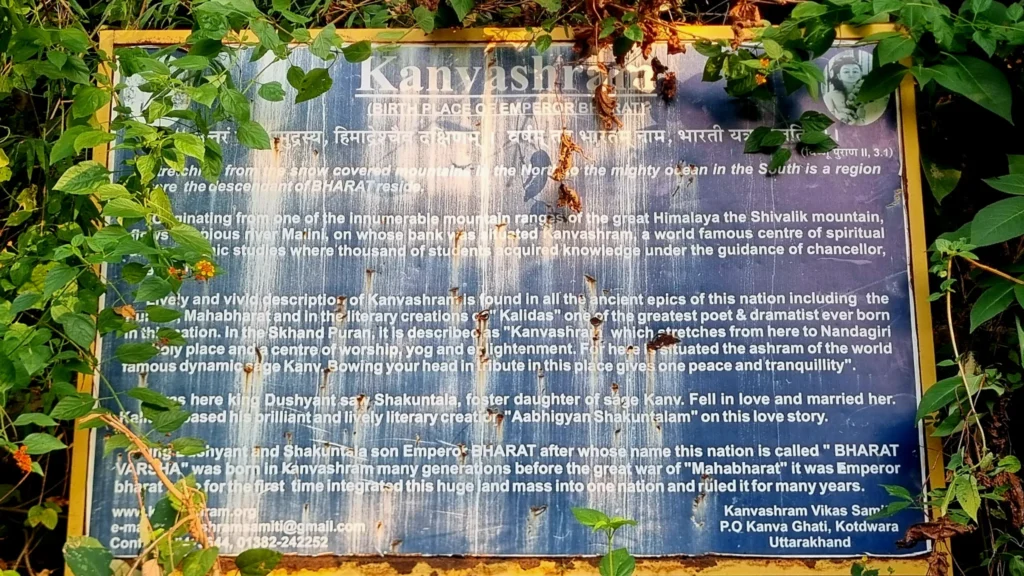
According to legend, Sage Kanva found baby Shakuntala near the Malini River and brought her back to his ashram, where he raised her. She grew up here, surrounded by nature, purity, and an unmistakable sense of peace.
One day, King Dushyanta happened to visit the ashram. He met Shakuntala, and the two fell in love. They were married, but fate took a strange turn when a curse caused Dushyanta to forget her. After many hardships and an emotional journey, they finally reunited, and their son Bharata was born. It is said that India later came to be known as “Bharat” after him.
Chakravarti Samrat Bharat is remembered as a legendary king who ruled the world with fairness, courage, and wisdom. People admired him for the peace and prosperity he brought to his kingdom, and the belief that India is named Bharat in his honour speaks volumes about how respected he was in ancient history.
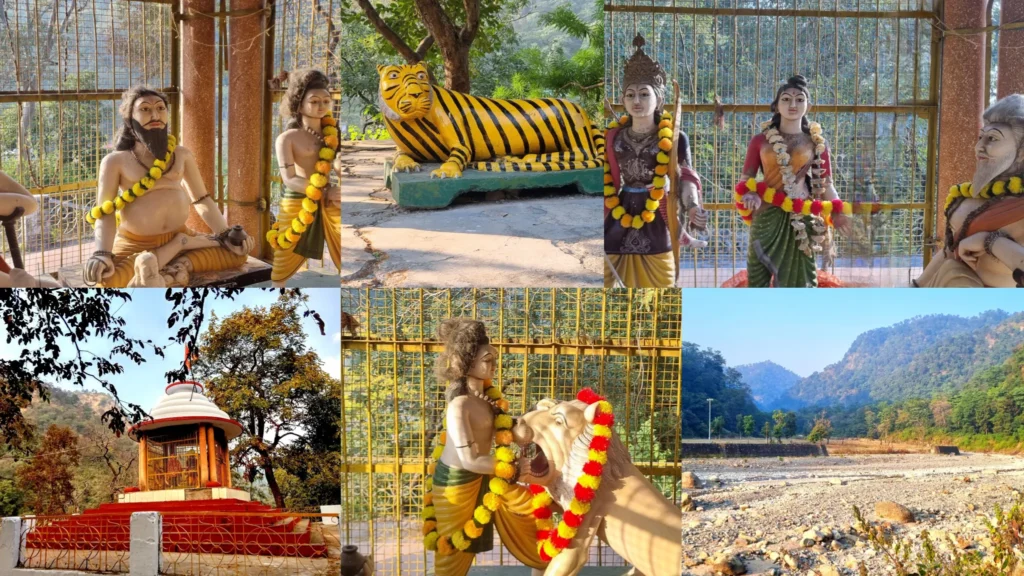
Today, Kanvashram is visited as much for its natural beauty and calm atmosphere as for the mythological stories that still seem to echo softly through the surrounding forest.
The ashram itself is a small kutiya, modest and simple, housing a few idols of Raja Bharat, Kanva Rishi, Mata Shakuntala, and King Dushyant. Beyond this, there isn’t a lot to explore visually, but true to its essence, the place offers a peaceful retreat for yoga and meditation. The quiet surroundings, the gentle murmur of the river, and the constant sounds of nature create a serene escape from the outside world.
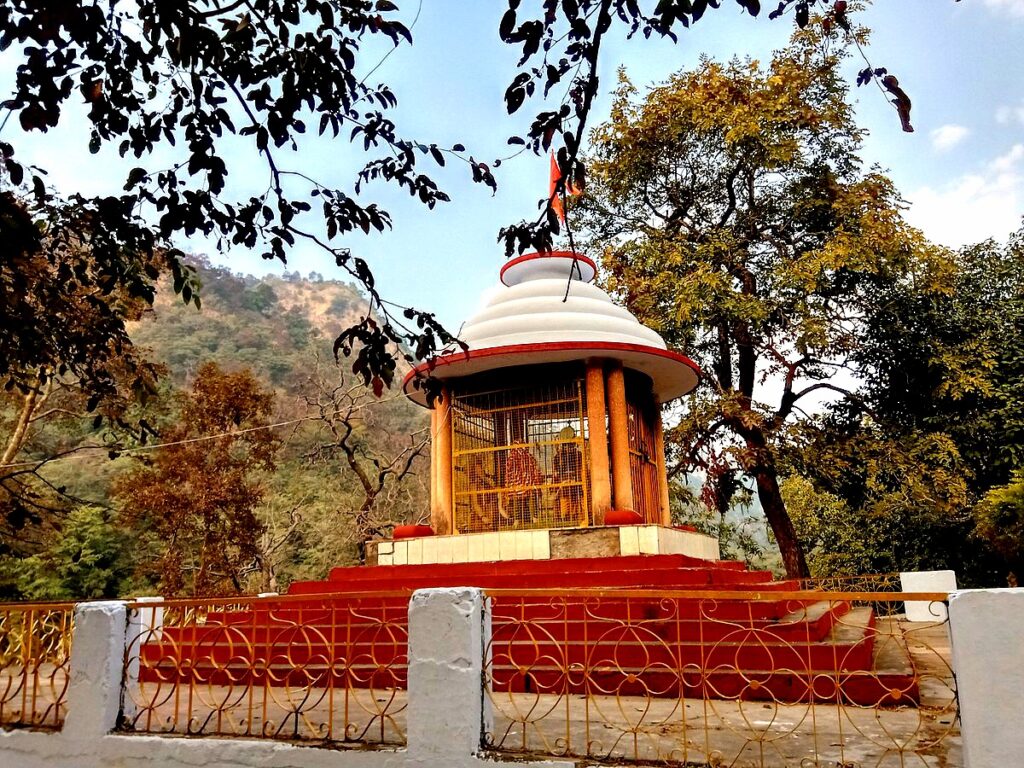
That said, the place clearly needs attention. From what I observed, some renovation and regular maintenance could go a long way in preserving its original charm. A local person also cautioned me about the presence of lions and leopards in the area. Just before I arrived, there had reportedly been the distant roar of a tiger. It is definitely not advisable to visit after sunset, as the ashram lies open without fencing or shelter.
Nearby, I noticed an old structure—perhaps once a cottage—now standing completely dilapidated. The gurukul, I was told, has been shifted slightly downhill to a safer location.
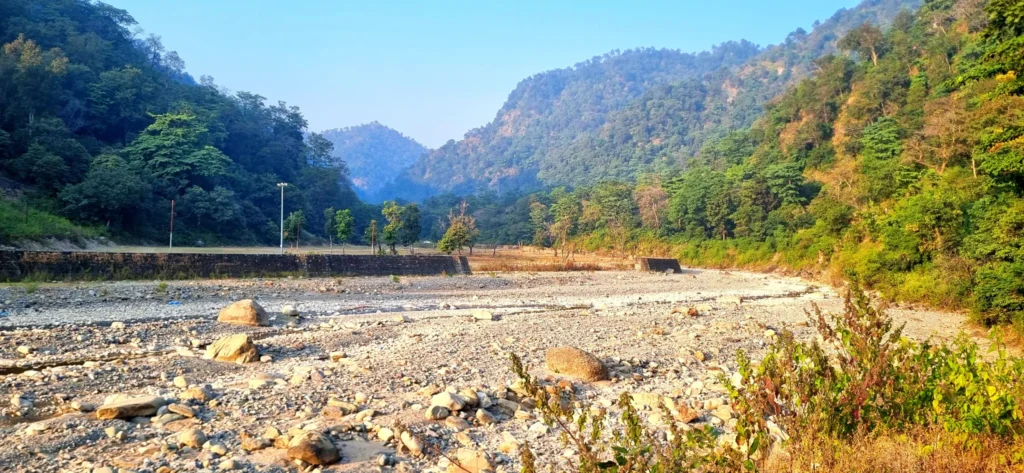
After spending some quiet time capturing nature shots and videos, I made my way back toward the bus stand to catch a sharing auto to Siddhabali Hanuman Mandir. Shared autos frequently run from the bus stand to the temple and usually charge ₹20 per person. Since I happened to visit around noon and was the only passenger at that moment, I hired a private ride for ₹50 one way. On the return, however, I easily found a shared auto and paid the usual ₹20 per person, which felt much more reasonable.
Shri Siddhabali Hanuman Mandir
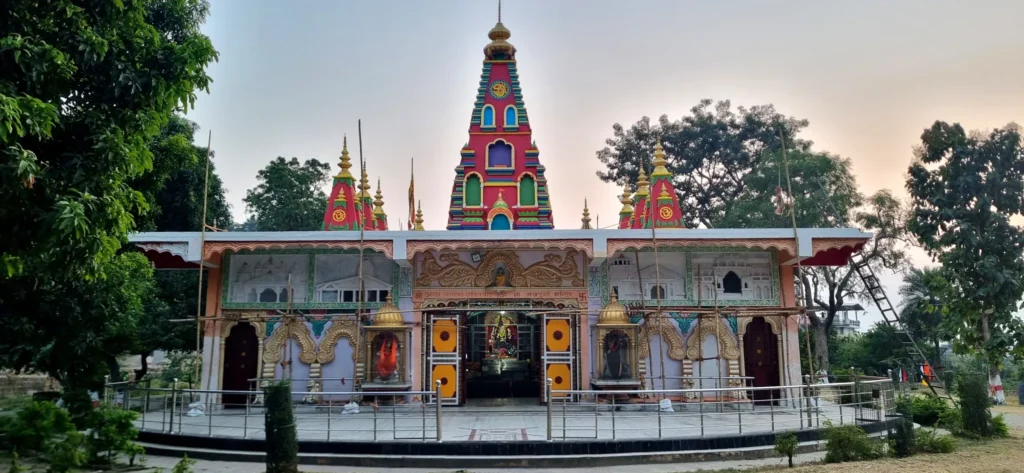
Shri Siddhabali Hanuman Mandir is an ancient temple dedicated to Lord Hanuman, and within the same complex, there are also shrines for Lord Shiva and Sanidev. Perched gracefully on a hill beside the scenic Khoh River, this temple has stood as a centre of faith for centuries, drawing devotees from near and far.
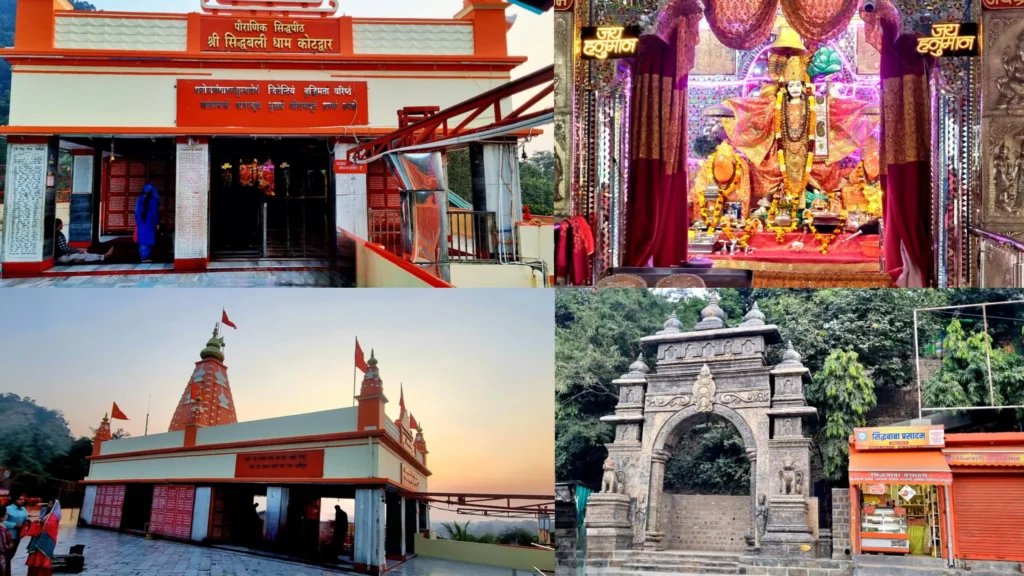
The temple takes its name from Sant Shri Siddhabali Baba, a devoted follower of Lord Hanuman, who is believed to have attained deep spiritual wisdom here through intense penance by Hanuman Ji’s grace. Over time, many saints and sages are said to have invoked Lord Hanuman at this very spot through their own rigorous practices, which adds to the temple’s powerful spiritual aura.
At the entrance, a few small shops line the path, selling prasad, idols, and little souvenirs—offering visitors a way to carry a piece of the temple experience back home. From the temple grounds, the view unfolds beautifully: mountains rising on both sides and the Khoh River quietly winding through the valley below, its gentle flow becoming a soothing soundtrack to the surroundings.
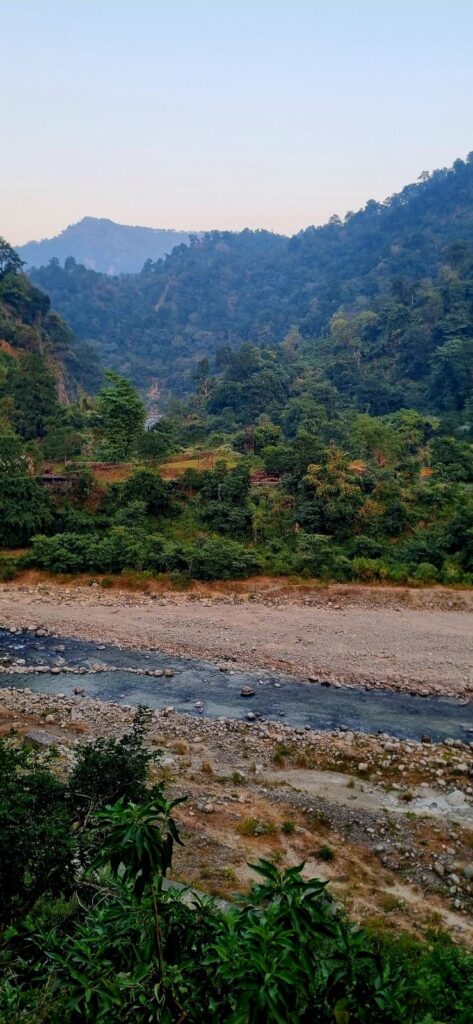
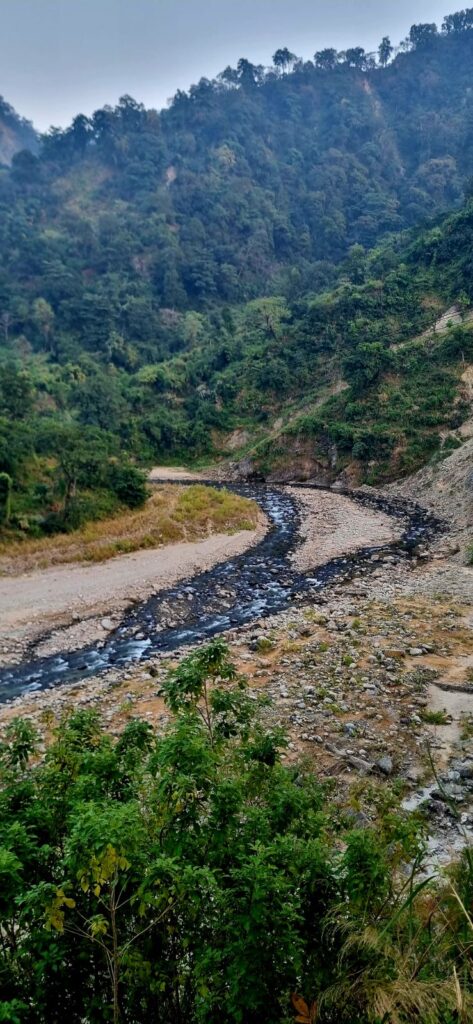
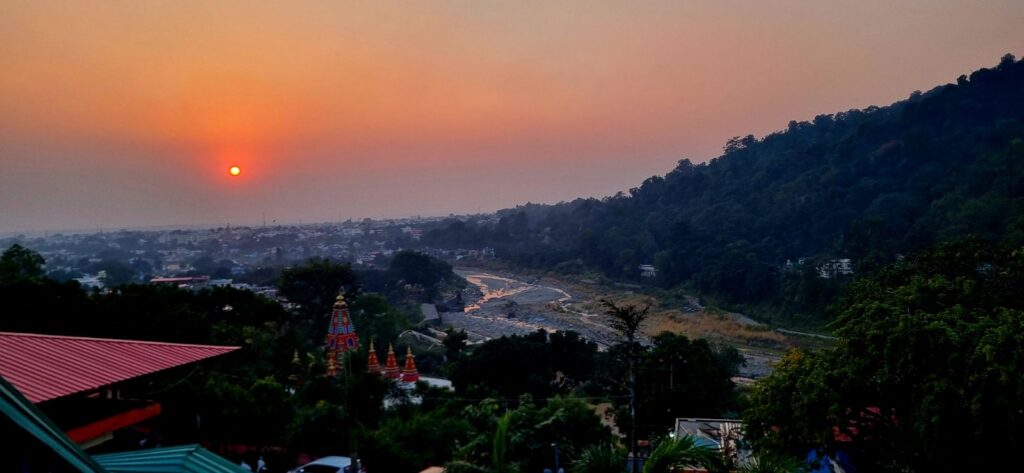
Just outside the main gate stands another shrine devoted to Maa Durga. After offering my prayers and spending some unhurried moments there, I began my walk back to the hotel, carrying with me the calmness of the temple and the memory of those breathtaking mountain views.
Kotdwar itself felt like a quaint little town where the railway station, bus stand, and main market all sit comfortably close to one another. On my way back, I wandered through the local shops for a while, soaking in the small-town charm and picking up a few souvenirs.
I couldn’t resist making a quick stop at a street-side spot called Pizza Corner MBA Burger Wala, where I treated myself to a Tandoori Double Cheese Pizza—a small but satisfying indulgence before dinner. Later, I settled for a simple yet comforting veg thali and finally called it a day, resting in my room after hours of travel and exploration.
Good night for now. Tomorrow, with the morning sun and crisp mountain air, the journey continues toward Raidul, where the true reason for my trip awaits—the much-anticipated Garhwali shaadi.
Till then, good night.
Day 2: From Kotdwar’s Calm to Raidul’s Village Warmth
Reaching Raidul turned out to be an adventure of its own. Being a small village tucked away in the Garhwal region of Uttarakhand near Parsundakhal, there are no direct buses or taxis from Kotdwar that go all the way. The usual route for travellers is to first take a bus or a shared taxi from Kotdwar to Parsundakhal, and then arrange a local cab for the final stretch. The last bus from Kotdwar generally leaves around 2 PM, and taxis head out by 3 PM, though the timings often depend on how quickly the seats fill up.
I missed the bus by barely 30 minutes, so the only option left was a shared taxi. It was a Mahindra Maxx, packed with 12 passengers and the driver, and for ₹150 it carried me from Kotdwar to Satpuli. From Satpuli, I boarded a public bus to Parsundakhal, paying ₹80 for the ride, as this was the last point reachable by shared transport. Once at Parsundakhal, I had to hire a private cab for the final 6 km to Raidul, which cost me ₹500.
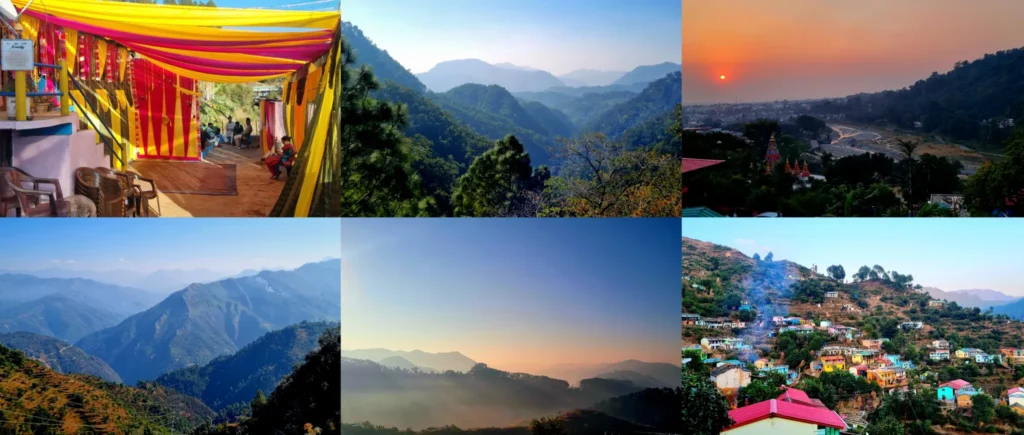
As the vehicle moved closer to the village, the landscape began to open up like frames from a movie. Lush green hills rolled on endlessly, the sky stretched above in a clear, brilliant blue, and tall peaks stood proudly in the distance. Small huts and houses appeared scattered along the slopes, and the air felt unbelievably crisp—free from honking, traffic, or noise of any kind, filled only with the soft sounds of nature. This quiet, serene village was the home of my friend, whose Garhwali wedding had brought me here. And standing there amidst those hills, I could already sense that this journey was going to stay with me for a very long time.
Garhwali Shaadi: Traditions, Drums, and Mountain Blessings
The wedding celebrations unfolded over three vibrant days, each one carrying its own rhythm and emotion.
Day 1 was for Haldi and Mahila Sangeet.
Day 2 was dedicated to Mehendi and Sangeet.
Day 3 would bring the Baraat, Shadi, Lunch, and Vadhu Aghman.
Unfortunately, I missed the first day’s Haldi and Mahila Sangeet because I reached Kotdwar later than planned. Still, from everything I heard, the Haldi here closely resembles the one we have in Gwalior, sprinkled with a few charming local touches.
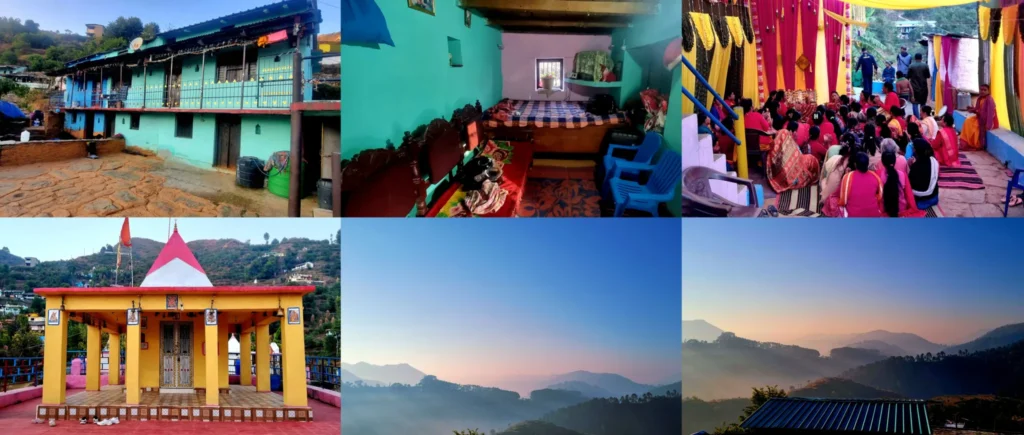
Everyone dresses in traditional attire, and the women proudly wear their nath (nose rings). During the ritual, guests apply turmeric paste and a tika to the groom. In return, the groom ties a sacred thread around their wrist as a gesture of blessing and connection.
This sacred ritual then flows naturally into music, dance, and delicious food—a seamless blend of devotion and celebration.
By Day 2, I finally arrived in time to witness the Mehendi and Sangeet. The groom looked ready for the big day, and the entire family buzzed with excitement. His sisters and aunts began the Mehendi ceremony, placing the first strokes on his hands as a symbol of subharambh. Soon after, the artist took over, filling his hands with intricate designs.
Music and dancing followed almost instantly. Alongside this, a traditional lunch, known as dham, was served. Guests were asked to sit in neat rows on the floor and were served food in a proper, well-arranged manner on plates—simple, traditional, and beautifully organized.
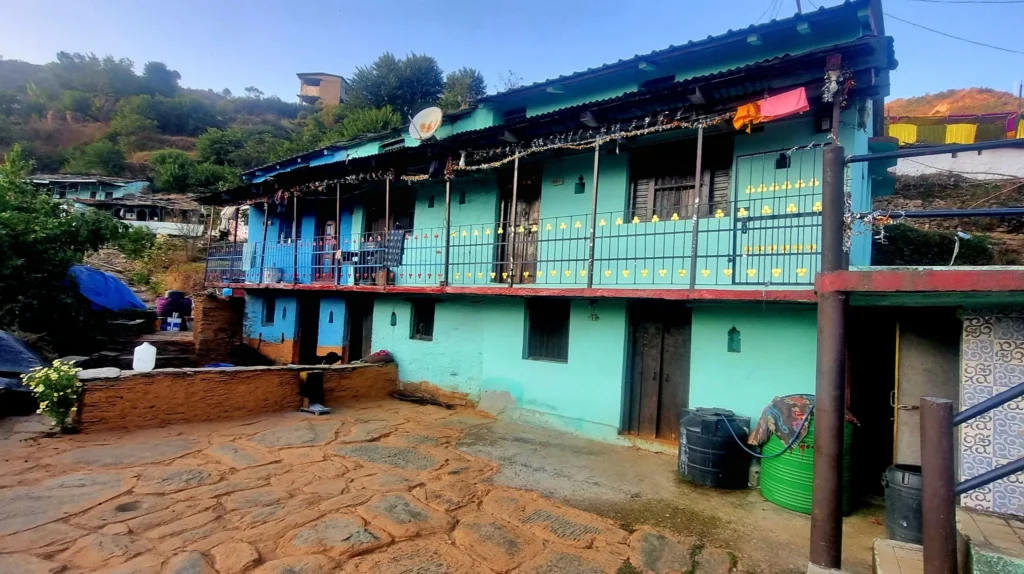
I was staying in a lovely pahadi home, nestled quietly between pine trees and calm mountain lanes. The wooden interiors, warm smiles, and genuine Garhwali hospitality made it feel far more like a home than just a place to stay. Waking up to cool breezes and sweeping mountain views each morning felt like pure bliss.
As evening approached, the women gathered around a small altar with dholak, manjeera, and jhinka. They offered prayers through soulful folk songs, asking the gods to bless the bride and groom’s future.
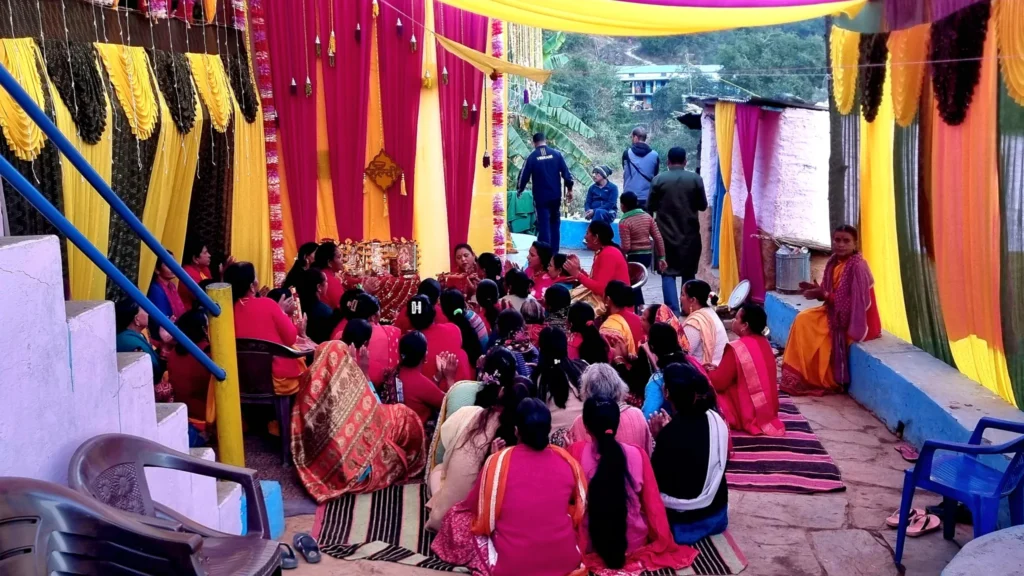
Gradually, the devotional songs made way for popular local music. The prayer space transformed into a lively dance floor filled with laughter and energy. Later that night, arrangements were made for drinks and chicken, giving those who wished to indulge a chance to fully enjoy the celebration.
Dinner was a hearty spread—Mix Daal (bhat, urad, rajma), Bhaat (rice), Mix Veg, Chicken, and Roti.The night stretched on with a mix of local folk songs and DJ beats. The air was filled with music, laughter, and a shared sense of joy.
With the day ending on such a high note, everyone went to sleep excitedly, waiting for Day 3—the grand day of Baraat and Shadi, when the true magic of a Garhwali pahadi wedding would finally come alive.
Day 3: Baraat Rhythms and Sacred Wedding Rituals
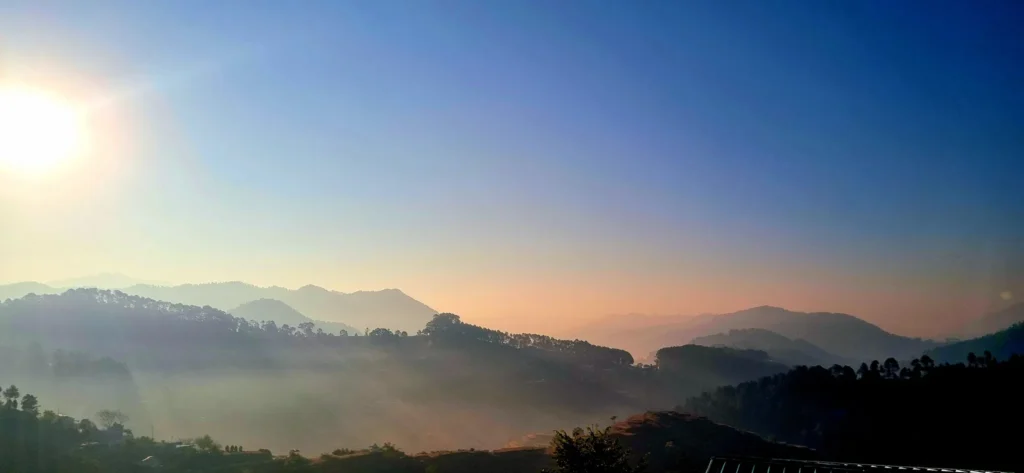
Imagine a foggy mountain range with the sun slowly rising behind it. Cool breezes drift through layers of hills, fading into the horizon. A quiet village rests on the slopes—wooden houses, thin trails of chimney smoke, and the scent of pine mixed with fresh earth. That was the morning of Day 3.
It honestly felt like heaven on earth, and I began my day wrapped in that feeling ❤️
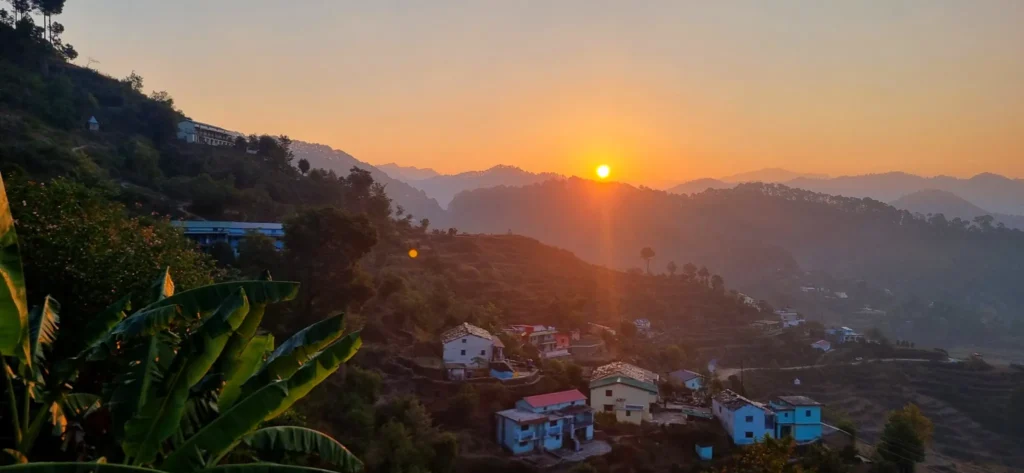

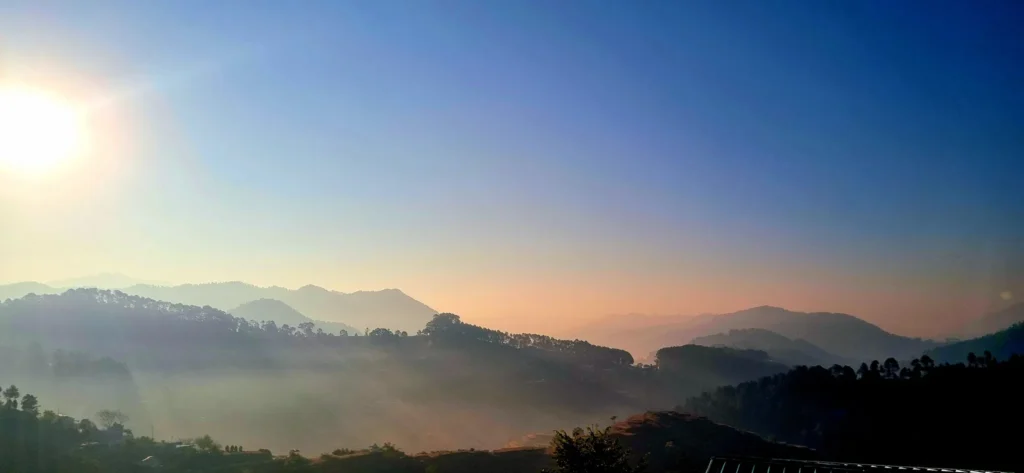
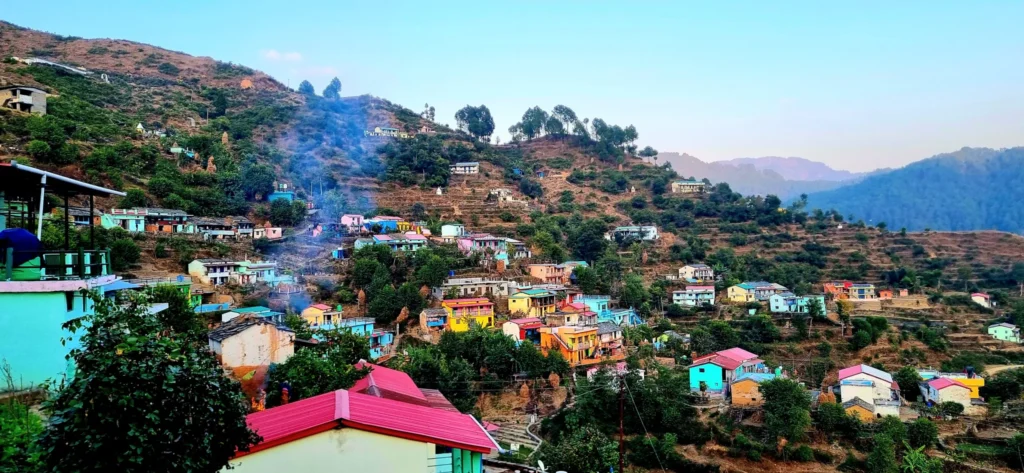
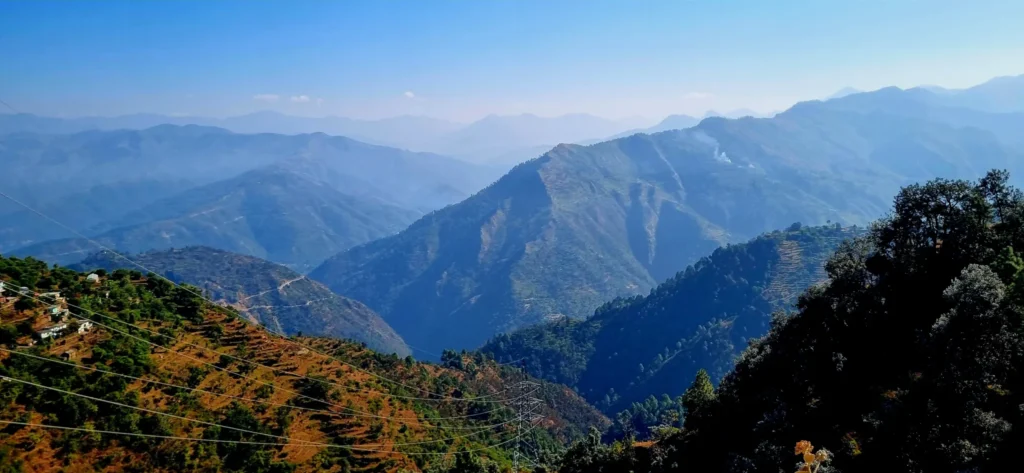
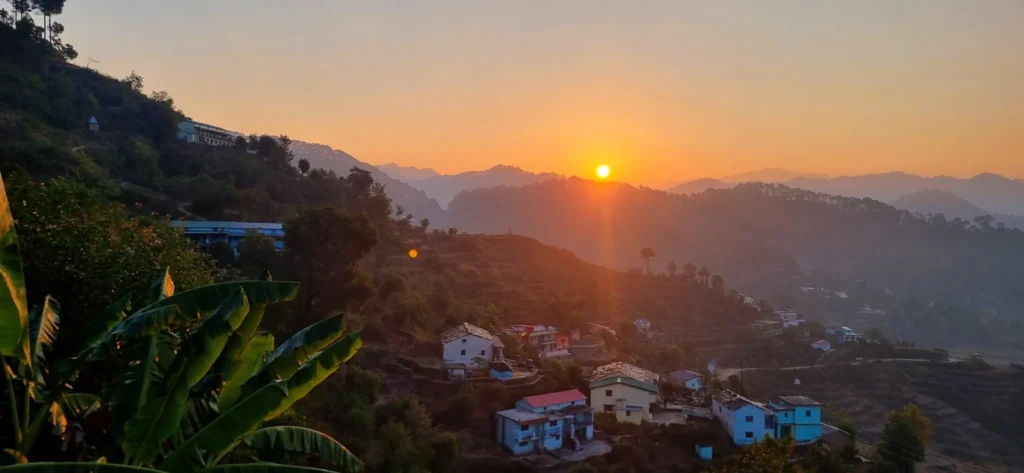
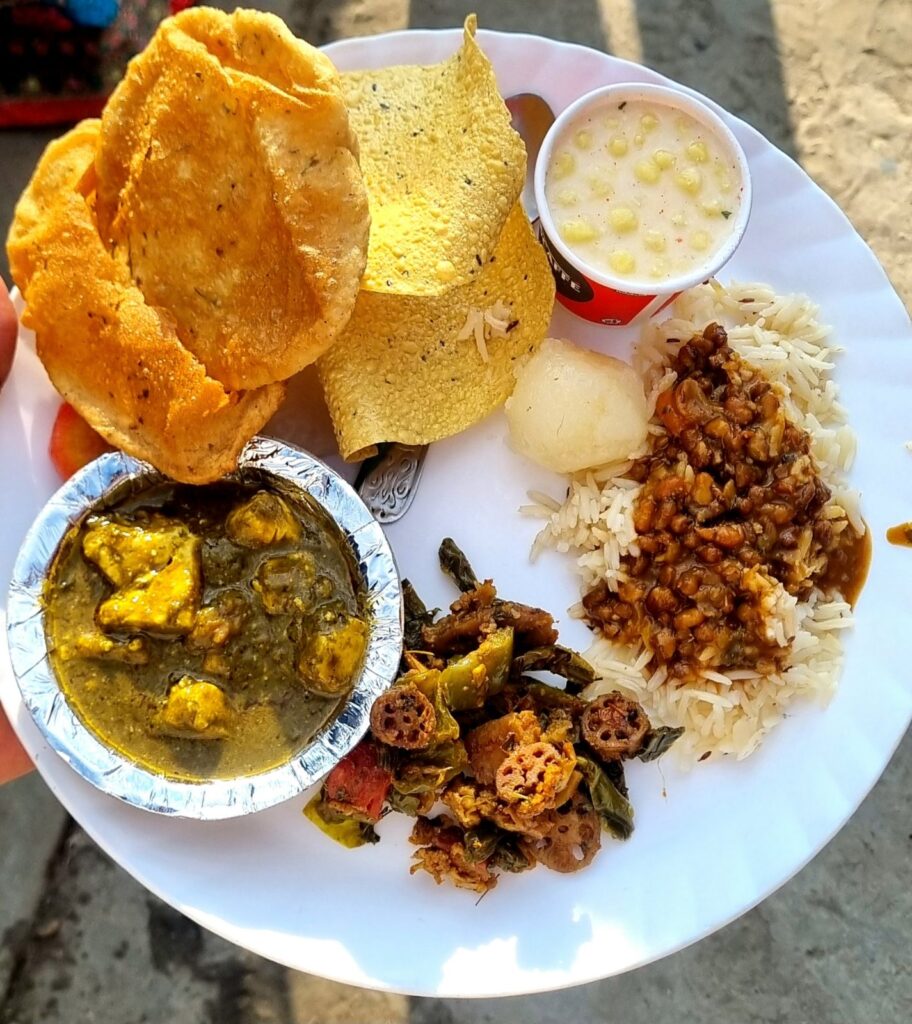
After finishing my morning routine, I walked toward the chowk where everyone had gathered for tea and breakfast. Hot plates of chole pudi and steaming tea made for a comforting start.
Since this was the final day of the Garhwali Pahadi Shaadi, the Baraat was set to leave early at 10 AM. It was a local celebration that had to conclude the same day. Guests dressed in traditional attire, and each person was honoured with a garland, officially becoming part of the Baraati procession.
The rituals began with the groom performing pujas under the guidance of the panditji. This was followed by the tilak ceremony and a few candid photo sessions. Soon, the beats of dhol, folk music, and the band filled the air, announcing the start of the Baraat. Laughter echoed across the slopes as everyone danced their way through the village, capturing the true spirit of a Pahadi Shaadi.
Before heading toward the bride’s village, the procession paused at Maa Mangla Devi Temple to seek blessings from their kuldevi. The devotional stop added a sacred touch before the Baraat continued its journey in buses and cars.
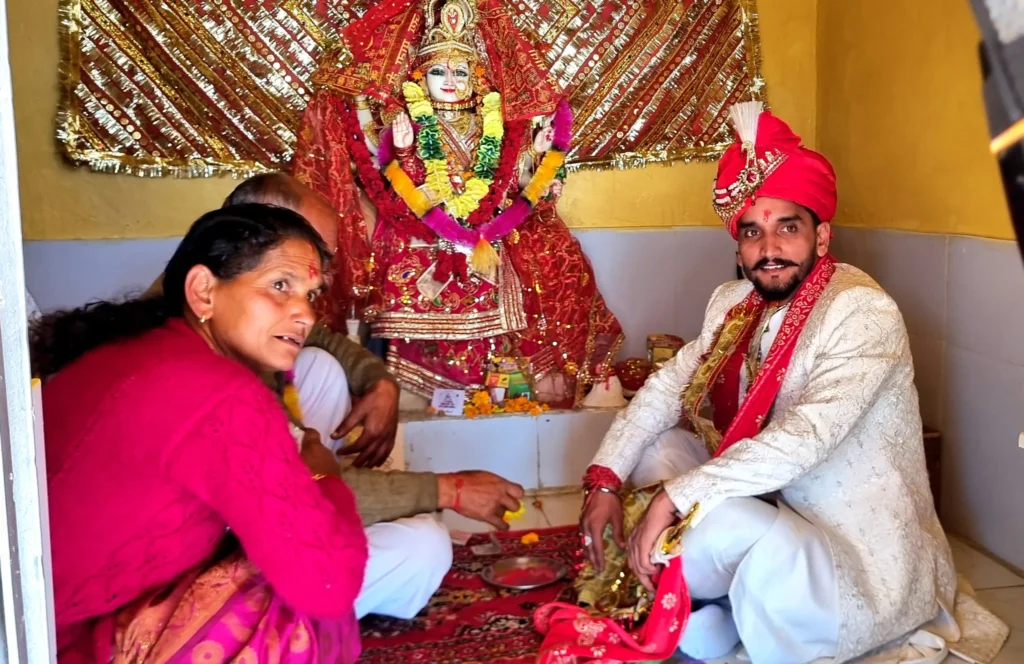
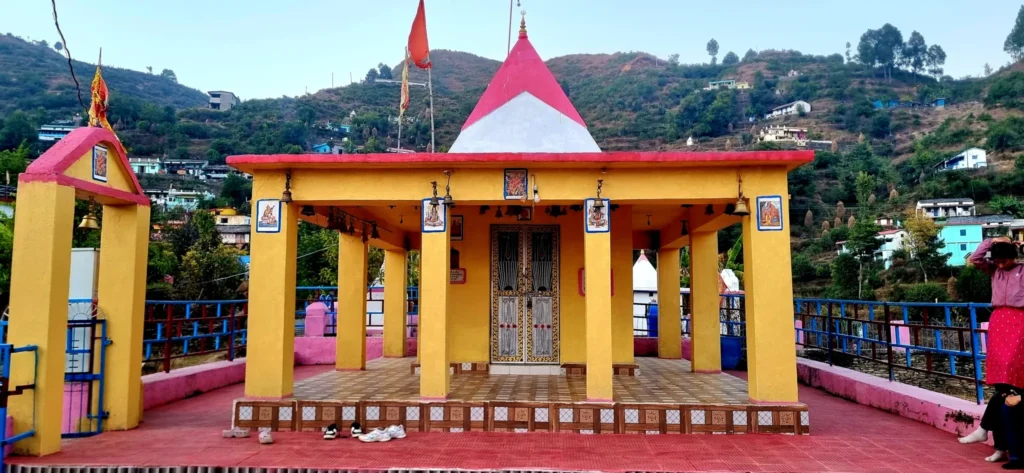
Upon reaching the bride’s home, the energy instantly lifted. The Baraatis were welcomed with hot snacks and tea, and the rituals began. The bride’s brother greeted the groom with tika and garlands, followed by his father and other family members. Each arriving Baraati was welcomed warmly, weaving tradition and joy into the celebration.
Once the initial rituals were done, the bride’s brothers playfully demanded a neg before allowing the groom to enter and cut the ribbon. What followed was pure hasi-majak, teasing, and cheerful bargaining that had everyone laughing. Then, in a joyful moment, the bride’s brothers and friends lifted the groom onto their shoulders and carried him to the stage, with the rest of the Baraatis following behind.
The wedding setup was beautifully arranged with a stage, DJ, and food area. The stage stood beside a traditional mountain house, and women watched from the balcony above, making the entire scene feel like a nostalgic frame from an old movie.
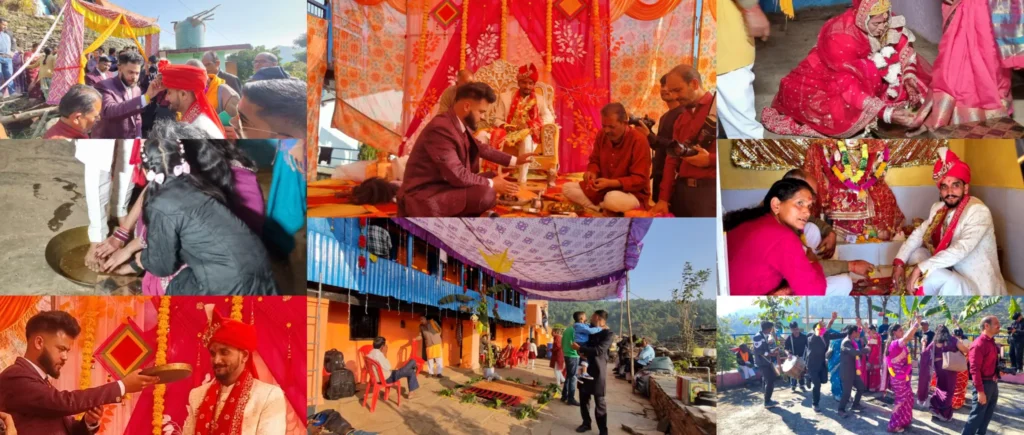
When the groom reached the stage, one of the bride’s brothers welcomed him with rituals like tika, daan/dakshina, and aarti. Soon after came the grand entry of the bride with her group, leading to the jaimala ceremony. Folk songs, dancing, cheering, and endless photographs captured every heartfelt moment.
Lunch was a delightful Garhwali feast—mix dal (bhat, urad, rajma), bhaat (rice), palak paneer, rasgulla, raita, mix vegetables, and much more. The food reflected the region’s warmth and hospitality in every bite.
After the stage celebrations, the bride and groom moved to the mandap for the main wedding rituals. Here they performed the sath phere, maang bharai, dhaan buaai, and the playful juuta churai carried out by the bridesmaids.
Unlike the elaborate mandap ceremonies seen in places like North India or Gwalior, this was simple, traditional, and deeply heartfelt. The focus remained on pooja and seeking blessings from the Ishtdev. During Dhan Buai, the bride’s brother offered dhan (rice) to the couple, which they respectfully offered to their Ishtdev, symbolising prosperity, love, and the beginning of their life together. With this, the mandap rituals concluded on a serene note.
As evening approached and the sun slowly dipped behind the mountains, it was time for Vidaai. The Baraatis returned to the groom’s village along with the bride’s siblings and several guests, many of whom stayed overnight to continue the celebrations.
Back in the village, the bride and groom were welcomed with heartfelt rituals. The groom’s sisters performed Najar Utaraai and Pag Pakharu, washing the couple’s feet as a gesture of blessings and love. The bride then washed the groom’s mother’s feet and received her blessings, symbolising her acceptance into the new family.
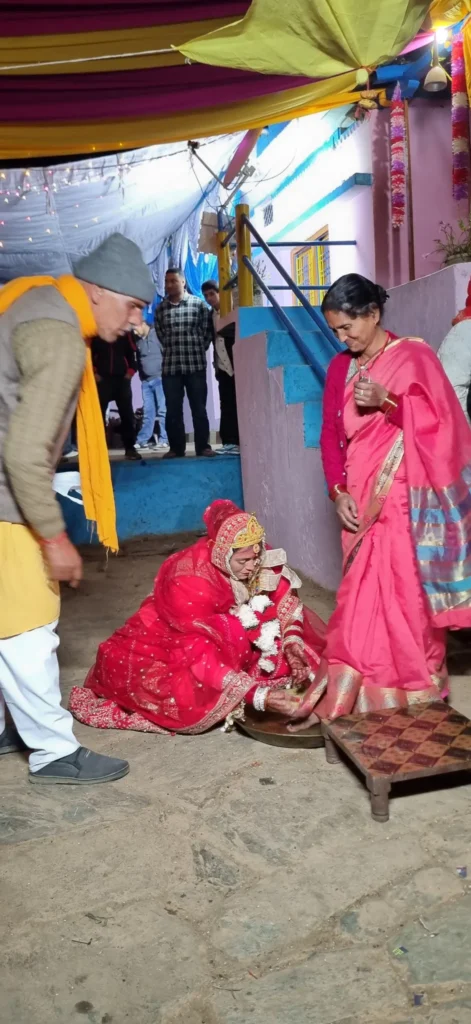
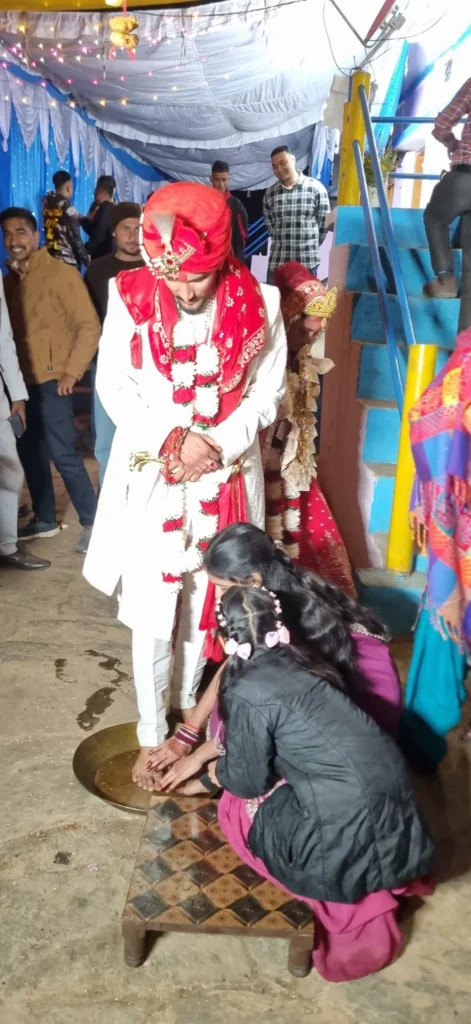
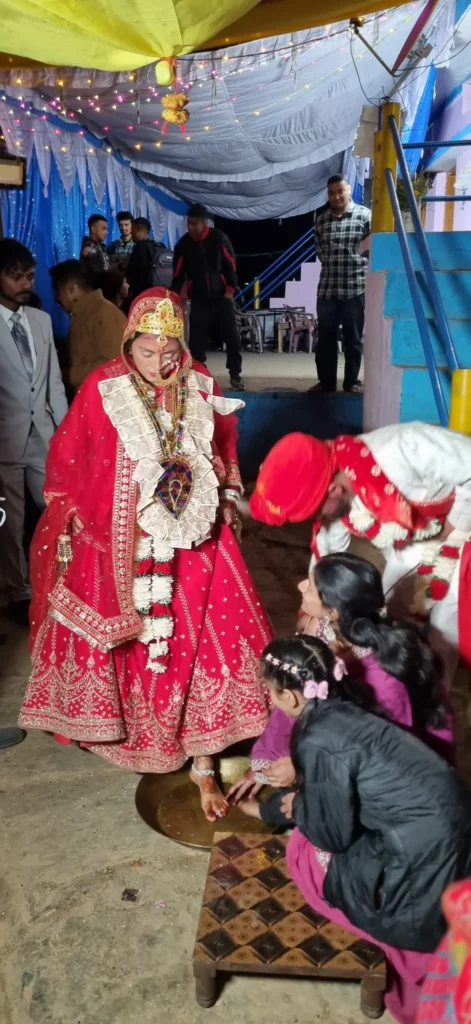
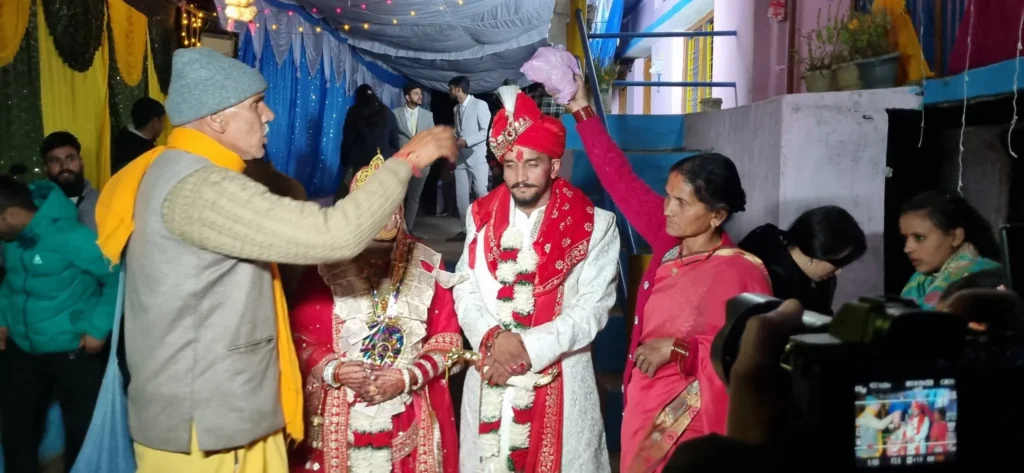
Blessings flowed from every direction as the groom’s family presented gifts and tokens of love to the bride. Meanwhile, the guests enjoyed drinks, chicken, and a hearty dinner, keeping the festive mood alive.
And with that, Day 3 of the Garhwali Shaadi—Shadi and Baraat—came to a beautiful close, leaving behind memories filled with tradition, joy, and togetherness.
The next day would mark the Vidaai of the guests, as the celebrations slowly began to wind down.
Day 4: Farewells in the Hills and a Misty Detour to Lansdowne
Another foggy mountain morning welcomed me as I prepared for the last day of my trip. There was a quiet mix of emotions—Vidaai from the wedding celebrations on one hand, and the excitement of visiting Lansdowne on the other. I woke up early, breathing in the crisp mountain air and replaying the beautiful memories of the past few days in my mind.
Since the village sat a little away from the main road, I first had to wait for a taxi to reach Parsundakhal. From there, there were no direct buses or taxis to Lansdowne, so the plan was to travel via Gumkhal. But being a Sunday, transport options were limited. The few taxis available had long waiting times as they waited to fill seats, and I didn’t want to lose precious hours of the day.
So, to make the most of my time, I chose to hire a direct taxi from Gumkhal to Lansdowne, ensuring that I could explore the town without any further delays.
Wandering Through the Quiet Corners of Lansdowne
Lansdowne, a charming man-made town from the British era, was originally built as a cantonment. Nestled amidst lush pine forests, it greets visitors with a cool mountain breeze and peaceful, panoramic views at every turn.
Since I only had a single day to explore the town, I decided to hire a direct taxi. From Gumkhal, I booked one for ₹500 to reach Lansdowne and ₹1000 for a round covering all the main spots in the town. This allowed me to maximise my time, explore key points, and still leave by 5 PM to catch the last taxi back to Kotdwar.
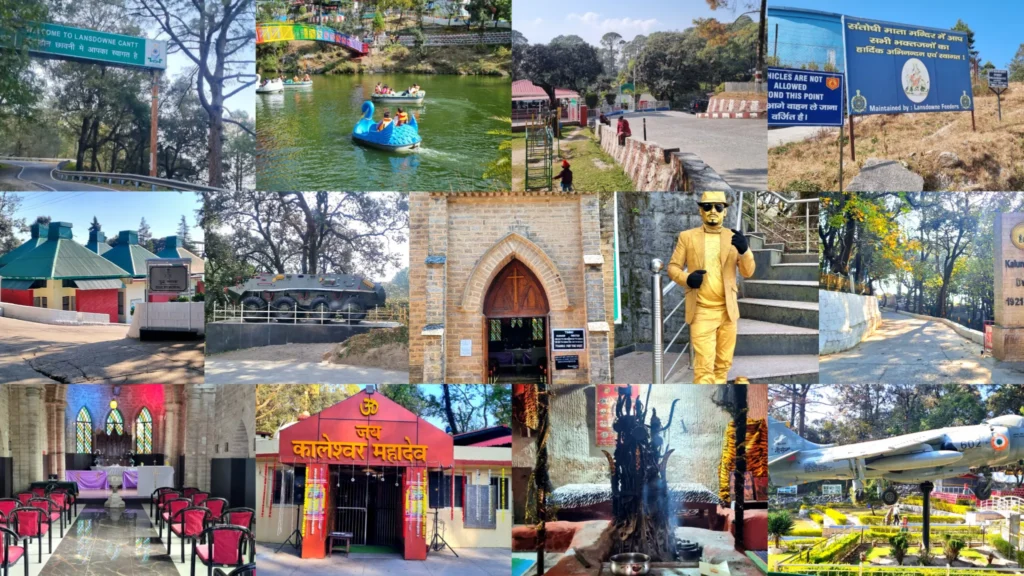
Ideally, the best way to experience Lansdowne is on foot, leisurely visiting each spot and soaking in the natural beauty. But with time constraints, the taxi proved to be the most efficient way to cover everything. There are roughly six to seven key attractions that one can explore on foot if staying a full day in Lansdowne.
There were several spots I wanted to cover in Lansdowne: Bulla Lake, Santoshi Mata Mandir, Tip & Top Point, St. John Church, St. Mary Church, Gurudwara Sahib, Kaleshwar Mahadev Mandir, Bheem Pakoda, and Garhwal Rifles Museum.
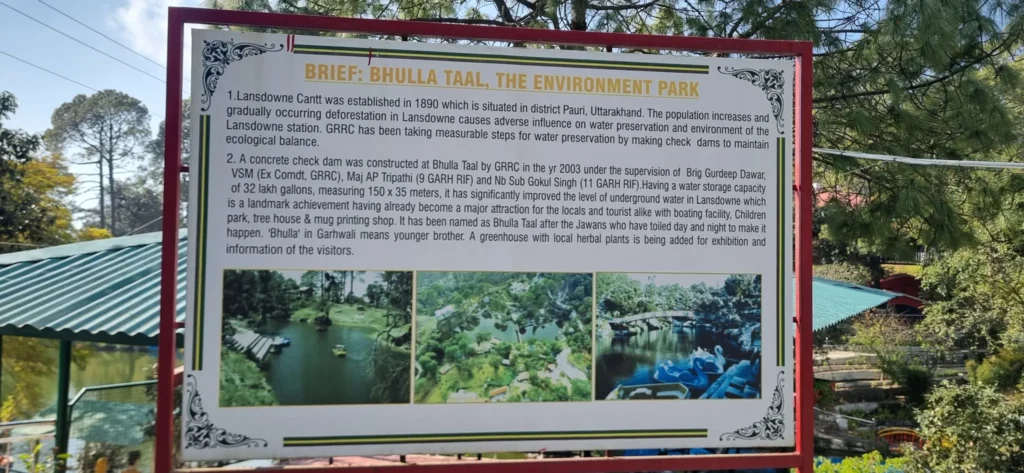
I started my exploration at Bulla Lake, a serene man-made lake surrounded by lush greenery. Here, you can enjoy activities like boating, archery, swings, or simply sit by the lakeside and soak in the calm atmosphere. The entry fee was ₹100 per person, and with boating cost was ₹250.
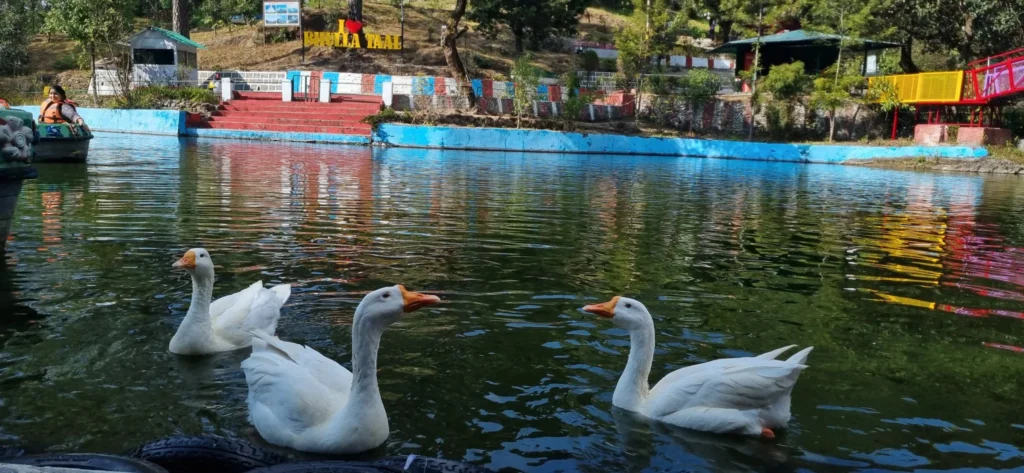
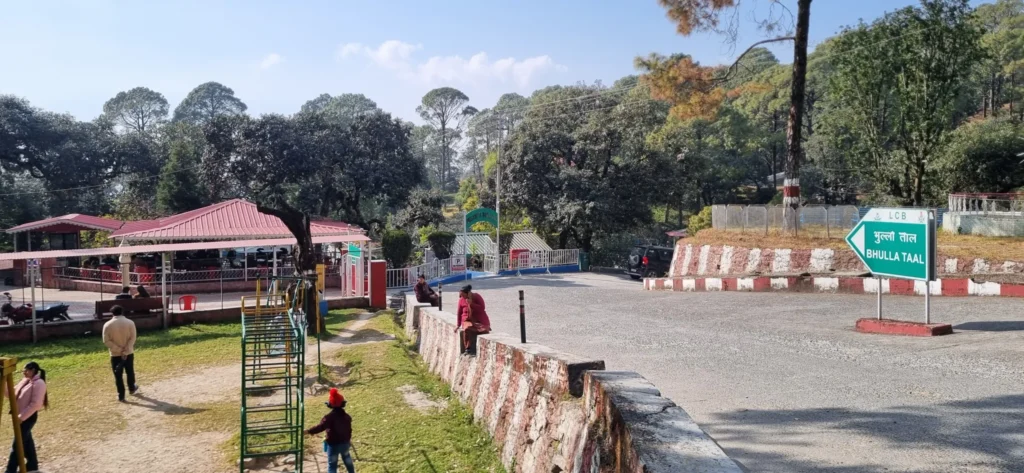
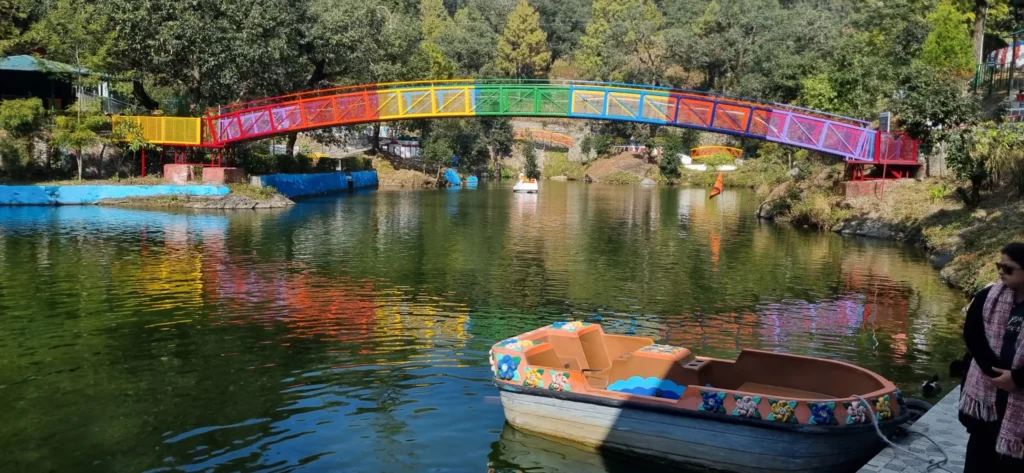
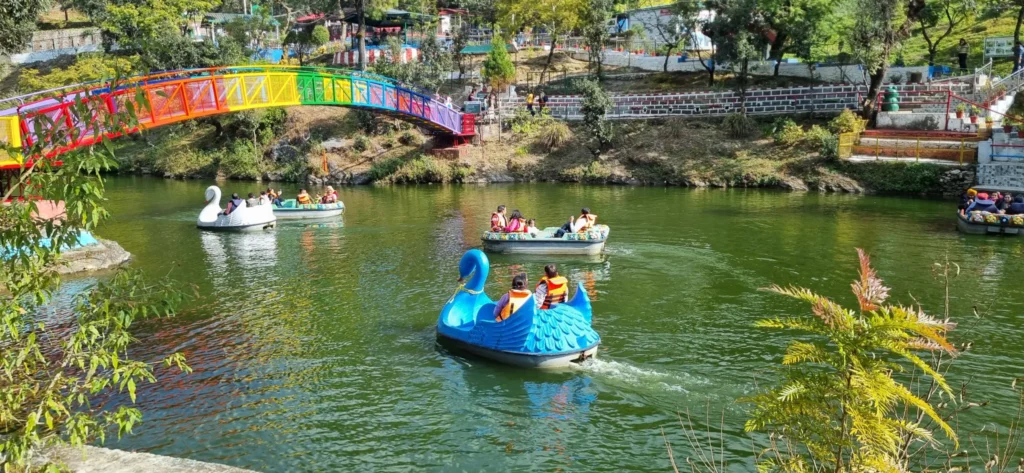
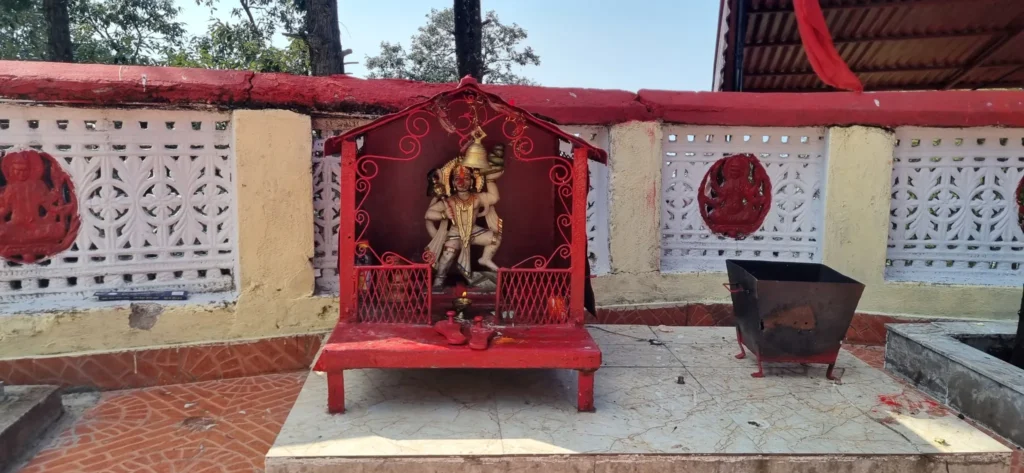
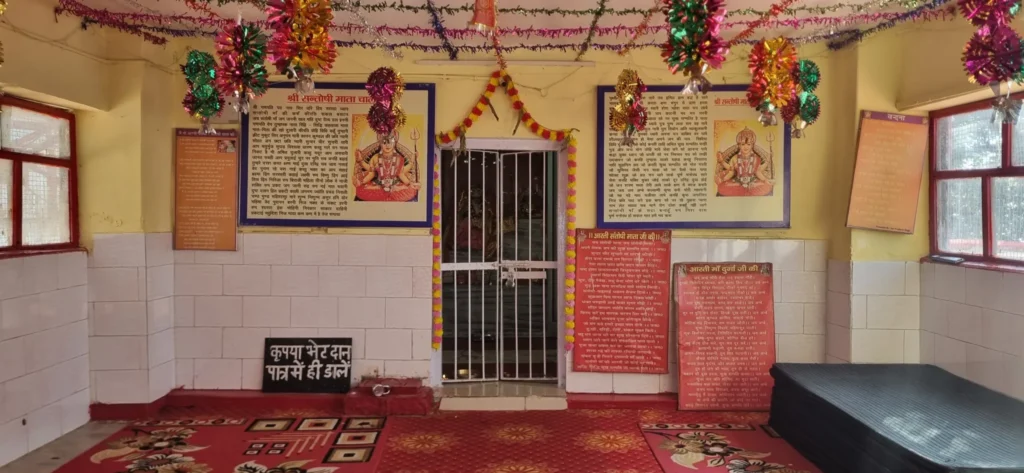
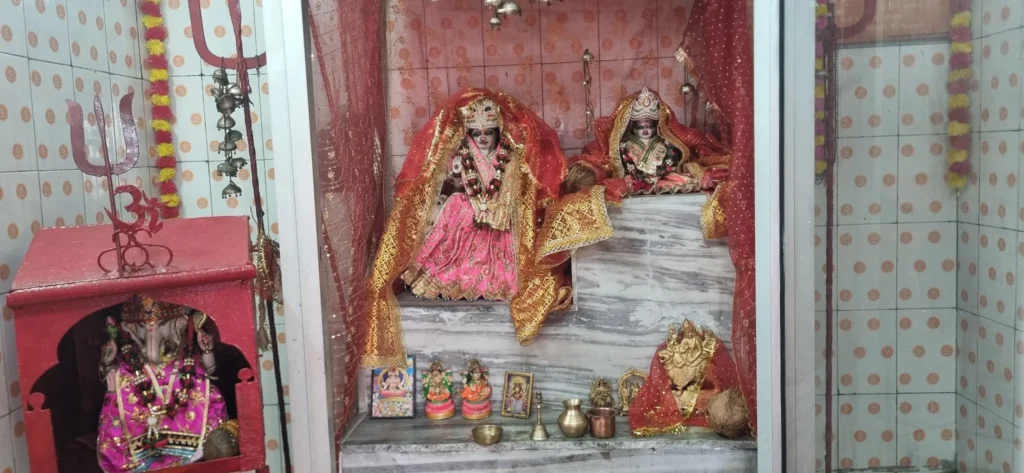
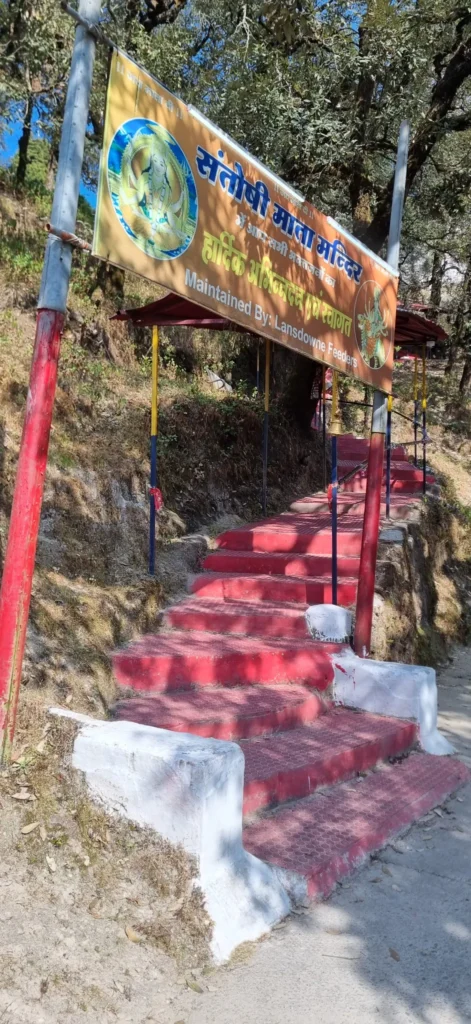
Next, I visited Santoshi Mata Mandir, perched atop a hill. The climb involved around 100 steps, but it was worth it for the peaceful ambience, where only the gentle sounds of nature accompanied you. Vehicles cannot reach this temple, making the journey even more rewarding. Entry here is free.
From there, I moved on to Tip & Top Point, one of Lansdowne’s most famous viewpoints. Perched high on a hill, this spot offers panoramic vistas of the surrounding Himalayan ranges, winding roads below, and the lush green valleys stretching far into the horizon. I spent some time breathing in the cool mountain air, capturing photos and videos of the sweeping landscape, and simply standing in awe of nature’s beauty.
From this vantage point, you can also spot the tiny cottages and houses scattered across the slopes, giving the area a charming, timeless feel. The sunrise and sunset from here are said to be spectacular, though I visited around midday. There’s a small shop nearby where you can grab a hot beverage or snacks while enjoying the view.
Entry Fee: ₹20 per person.
Nearby, I visited St. John Church, a small, quiet church near Tip & Top. It was perfect for a short visit and a moment of relaxation. Alongside the church, there is another viewpoint offering similar—but slightly smaller—mountain views. Entry is free.
Next on my itinerary was Gurudwara Sahib, a peaceful place of worship near the main market. I visited and sit there for some time in its relaxed environment, received prasad, and felt blessed by the shaheedi diwas langar, which was being served that day.
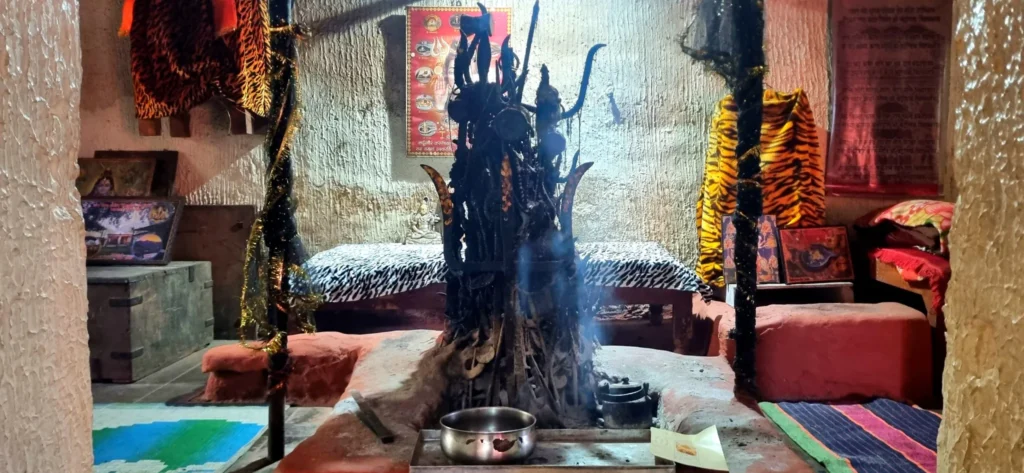
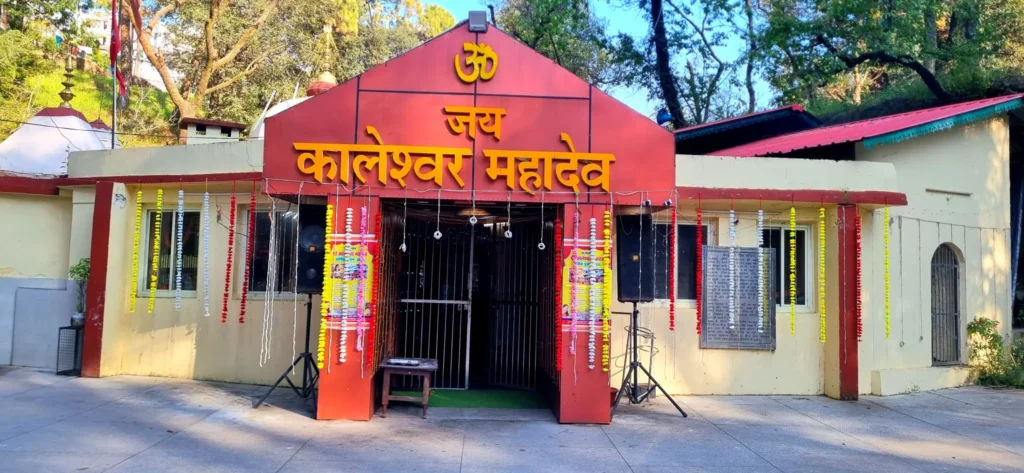
I then walked to Shri Kaleshwar Mahadev Mandir, dedicated to Lord Shiva. Located a short distance past the main market, it was tranquil and surrounded by tall trees, birds chirping, and forest vibes. Inside the mandir, there were idols of Shiv Parivar, Ganesh Ji, and Kartikay Ji. After soaking in the peaceful atmosphere, I strolled through the market for some shopping.
Returning to the taxi, I headed to the Garhwal Rifles Museum, the main and most visited place in Lansdowne, arriving around 3:30 PM. Tickets were ₹30 per person. This museum is a treasure trove of history, showcasing the bravery and sacrifices of Garhwal soldiers. This also holds a record of medals, weapons used in wars, won or acquired from enemies, dresses, utensils, coins, bands, and various historic things. This is one of the must-visit places in Lansdowne.
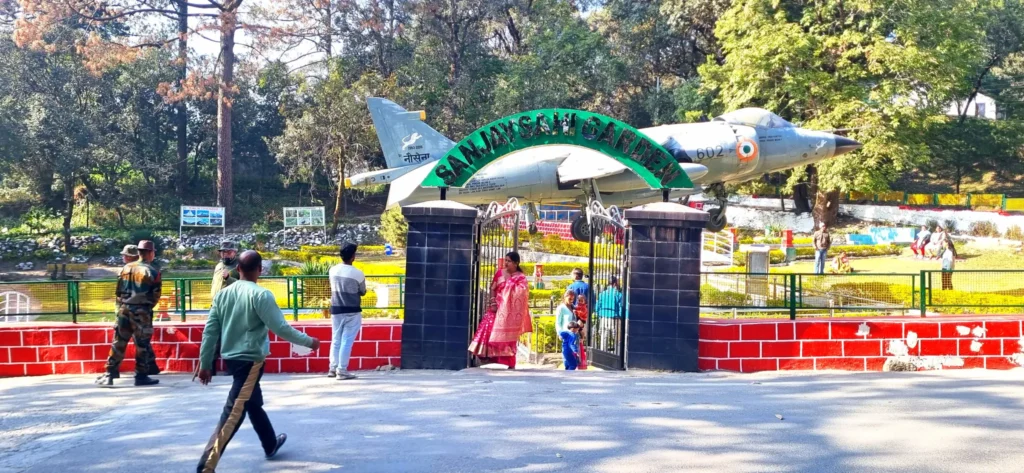
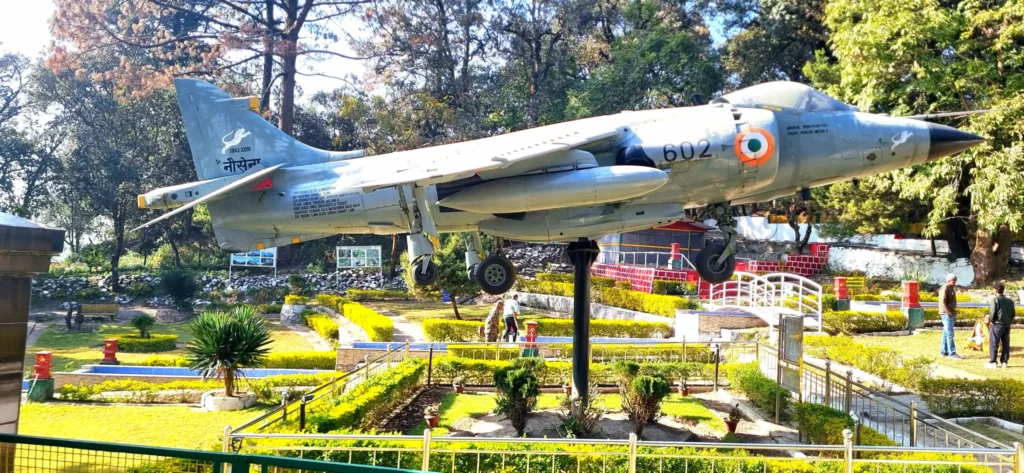
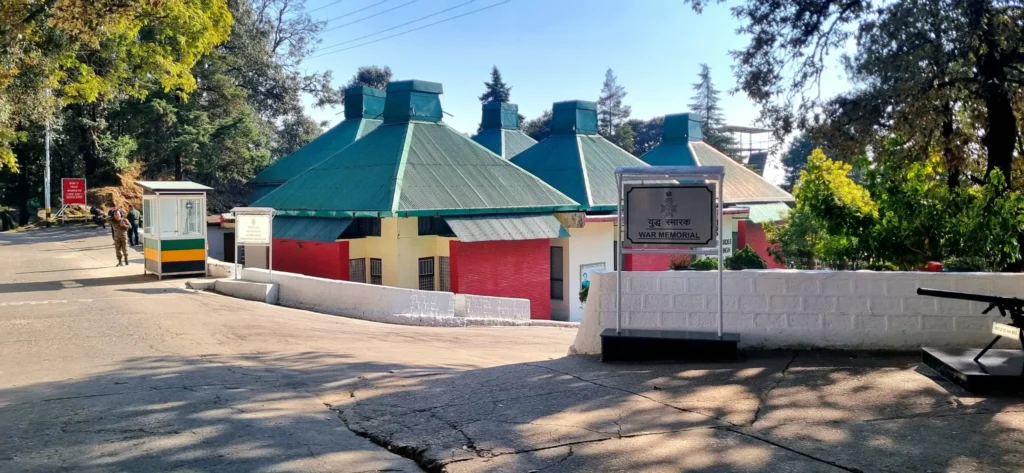
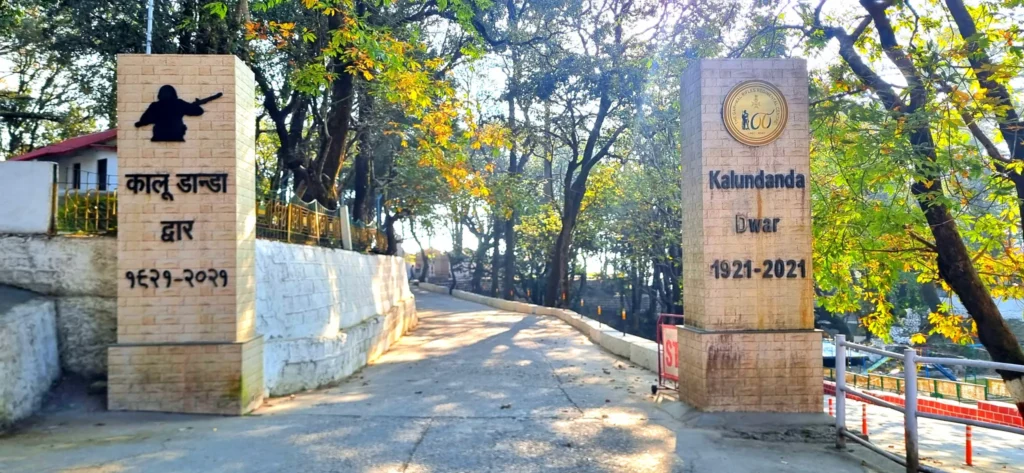
Photography isn’t allowed inside, but you can also watch a nearly 24-minute documentary about the Garhwal Rifles in a small theatre included in the ticket.
After the museum, I visited St. Mary Church, which was larger and busier than St. John Church.I decided to skip Bheem Pakoda, as it was just two rocks stacked atop each other, as mentioned by locals, though the forested surroundings offered a nice natural vibe.
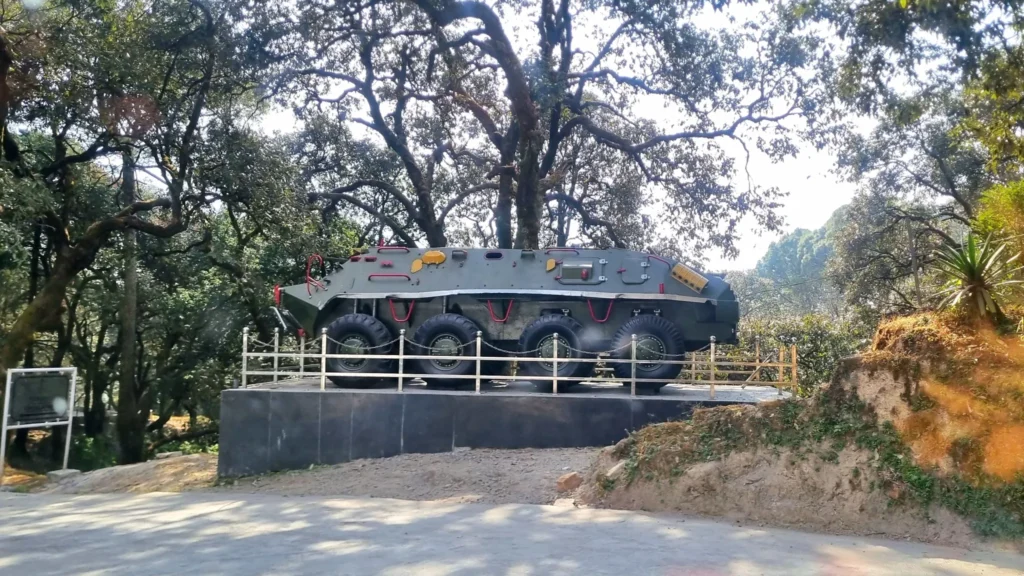
By now, my day in Lansdowne had given me beautiful memories and breathtaking experiences. It was time to catch the last taxi back to Kotdwar, from where I would board my train to Delhi (Anand Vihar Terminal).
On the ride back, memories of the trip—from Kotdwar to the Pahadi Garhwali wedding, and then Lansdowne—ran through my mind. The mountain views outside my window silently whispered, “Come back soon, and stay longer in the woods.” It was a magical experience, being it was in Kotdwar or the Garhwali shadi, or in Lansdowne… one that I knew would remain etched in my heart forever.
Before boarding the train, I had a final dinner at Tamil Nadu South Indian Dosa, enjoying the authentic taste of South India in Kotdwar. At 9:50 PM, I boarded my train, Kotdwar Anand Vihar Express(14090), and the next morning, waking up in Delhi, the polluted, smoggy city felt worlds apart from the serene mountains I had just left behind.
And so ends a trip that felt like a story written just for me, full of wonder and discovery.
Your presence makes this journey even more special. Thanks for being a part of this journey. The world is full of stories, and I’m just getting started. There are many more adventures, mountains, food trails, and unforgettable stories ahead. Don’t forget to revisit the blog for the next chapter.